Les frais de livraison sont offerts à partir de 65 € d'achat pour la France métropolitaine. Livraison en Point Retrait à La Poste, en relais Pickup ou en consigne sous 48h.
The beehive is a veritable pharmacy where we can find numerous products to treat our animals. Used since ancient Greece and Egypt for both humans and animals, apitherapy nevertheless fell into obscurity for centuries. The resurgence of natural medicine and the need to find alternative therapies, particularly to antibiotic treatments, are restoring veterinary apitherapy to a prominent position.
Propolis: Numerous Benefits for Animals
Propolis is a substance produced by bees from tree bud resins and enriched with wax, honey, and salivary enzymes. Acting as a true sealant that bees use to repair and protect the interior of their hive, propolis contains numerous substances that give it antibacterial, antiviral, antifungal, antioxidant, healing, anesthetic, immunomodulatory, and hemostatic virtues.
Propolis is not an isolated molecule but a complex substance that has demonstrated its value in both benign and malignant conditions. Taken orally as a micronized powder in capsule form, propolis stimulates immune defenses. Thanks to its anti-inflammatory properties, it is also very effective in relieving joints in cases of osteoarthritis, for example. Vets leverage these benefits, among others, in treating ear infections that are particularly resistant to antibiotics.
Often combined with honey, propolis is particularly indicated for suppurating wounds to accelerate their drying process. In powder or mother tincture form, propolis can also help soothe itching and skin redness. Frequently used as a balm with shea butter, propolis protects and soothes paw pads damaged by long walks or cold weather.
Homemade Eczema Balm
1 teaspoon of coconut oil: coconut oil nourishes, moisturizes, and soothes irritated skin. It also has an anti-inflammatory action that helps calm itching. Additionally, coconut oil has interesting antifungal properties. Choose a virgin coconut oil, extracted by first cold pressing.
1 teaspoon of thyme or lavender honey: honey has an active antifungal power against Candida albicans, both externally and internally. This property is partly explained by the osmotic effect exerted by the honey on the fungus.
Mix all ingredients well and apply topically twice a day. Test on a small area first.
Wound Treatment with Honey
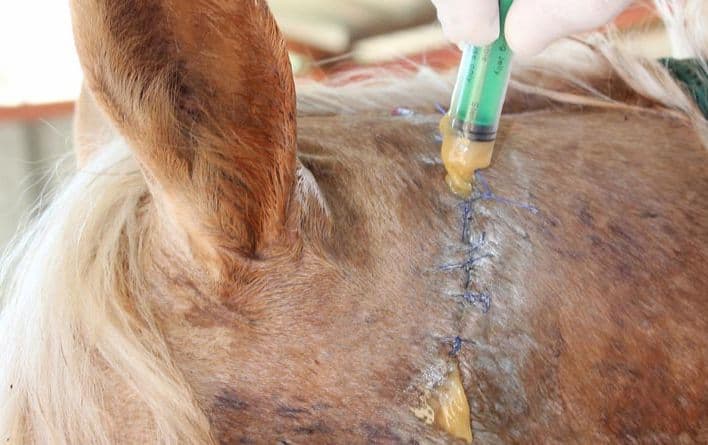
Made from flower nectar, honey is the most well-known product of the hive. Its antiseptic properties are due not only to its high sugar content and acidic pH (two factors unfavorable to the growth of bacteria), but also to the presence of inhibins and defensins. These substances act as "natural antibiotics." In veterinary medicine, these properties are put to use by applying honey externally, in the form of dressings or poultices for minor wounds, to help with their healing and antisepsis.
The continuous production of hydrogen peroxide is one of the main mechanisms in fighting bacteria. Honey's acidic pH - between 3.2 and 4.5 - and its low water content (around 17%) limit bacterial growth. No fewer than 80 species of bacteria are inhibited by honey in this way! This applies to antibiotic-sensitive strains as well as antibiotic-resistant ones.
We can mention certain strains of Staphylococcus aureus that are, however, resistant to methicillin. Honey also possesses nutritive, anti-inflammatory, and deodorizing properties. It is composed of 80% sugars that help skin cells regenerate. Honey cleanses wounds, stops the spread of necrosis, and prevents the formation of pressure ulcers. The viscosity of honey allows it to adhere to the wound, creating a protective layer on its surface. This physical barrier prevents the potential intrusion of bacteria or external elements—a feature of great interest for treating wounds where the use of a dressing is not possible.
Can you give honey to a dog?
Dogs are not able to properly digest honey when it is given in large quantities due to its high carbohydrate content. However, if vegetable oil is unavailable, honey can be used to dilute certain essential oils for oral administration. In this case, one teaspoon of honey per day is sufficient (half a teaspoon for dogs under 10 kg).
Which honey should you choose?
Any honey can be applied as long as it has not been heated or blended. However, to avoid any risk of infection, it is recommended to use a sterilized, medical-grade honey. This solution allows for wound treatment across all species, including Exotic Companion Animals (such as a turtle shell wound).
Ophthalmology: alone or combined with a propolis solution in cases of conjunctivitis, keratitis, indolent ulcers...
ENT sphere: stubborn ear infections with isolation of multi-resistant bacteria, treated by applying honey or a honey/propolis mixture.
Preventive care for newborns: herbivores depend on a quick first feeding and very often have trouble passing their first stool (meconium). The energy boost and mild laxative effect of honey are therefore beneficial within the first 48 hours of life.
Pollen, an Ally for Animal Intestinal Health
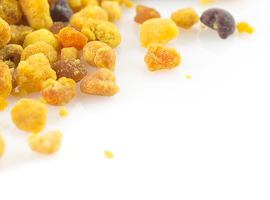
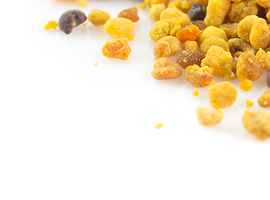
Pollen, or "bee bread," is used to feed the larvae and young bees of the hive. Highly nutritious, this living superfood contains substances that grant it stimulating, energizing, and probiotic qualities.
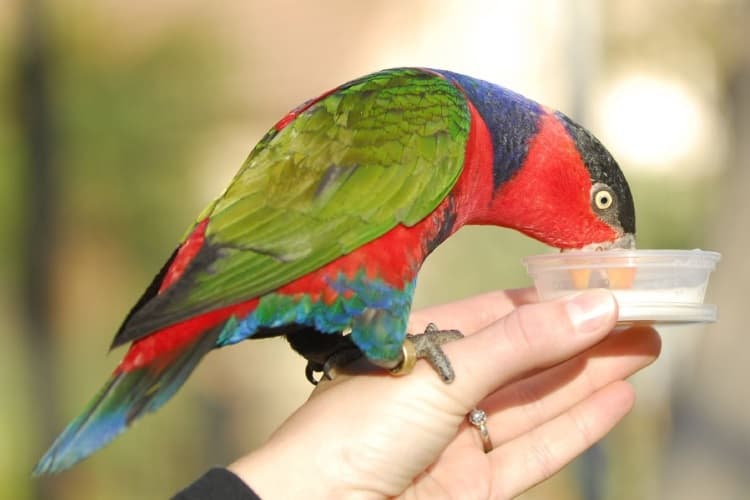
Dogs, cats, birds, and even reptiles! Due to its richness in probiotics (lactic ferments) and prebiotics (fibers), fresh bee pollen helps maintain a good intestinal balance. Simply added to their food, it not only offers the same health benefits as for humans, but it can also help manage or minimize digestive disorders caused by an unbalanced intestinal flora during a course of antibiotics, for example. These actions directly reflect on the quality of the coat or feathers. Even iguanas enjoy it, and their colors are visibly enhanced! It is also possible to use fresh pollen to support the treatment and recovery from chronic, degenerative diseases such as osteoarthritis.
Promotes skin radiance, improves the quality of skin appendages (nails, hair/fur)
Vitamin C, vitamins B2 and B3, vitamin B9, zinc
Example of use: one teaspoon of polyfloral pollen per day for a dog weighing under 20 kg or one tablespoon for a dog over 20 kg, as a 6-week course to be repeated 3 to 4 times a year.
While the indications for apitherapy in veterinary medicine are considerable, therapeutic use requires quality products standardized in active ingredients to guarantee results. Before any steps are taken, it is important to know the animal's status regarding any potential allergy. Under no circumstances should self-medication be considered, and the examples of beehive product uses cited in this article require the advice of an informed veterinarian.
 Français
 English