Why Is Sports Good for Our Body?
Physical activity is a vehicle for good health because it boosts our metabolism, notably through:
- Good blood circulation
- Better oxygenation of our cells
- Engaging our muscles and bones, promoting their maintenance
- Activating the synovial fluid that lubricates our cartilage
- Better external respiration, the first step towards acid-base balance
- The creation of endorphins, the neurotransmitters of well-being
Nutrition tailored to the type of effort made is undoubtedly an extraordinary bonus to maximize performance as well as recovery.
A Positive Global Impact
Physical activity leads to the contraction of intestinal muscles, thereby promoting the absorption of nutrients by the intestine. Many sports also engage the abdominal muscles. This stimulates the proper functioning of the digestive system as well as bowel movements. Physical activity is therefore highly recommended for individuals suffering from constipation, which is worsened by a sedentary lifestyle. Individuals who do not engage in any physical activity are at a higher risk of suffering from it.
Sports also increase the body's oxygen supply, which leads to a reduction in stress levels. Since stress can have harmful effects on the digestive system, practicing a sport is beneficial to its proper functioning.
Athletes: Performance, Oxidative Stress, and the Gut
The Foundations of Performance: Between Nature and Nurture
Sports performance is not just about raw physical strength. It is the culmination of a complex synergy between biological, psychological, cognitive, and nutritional factors. While some of these parameters are genetically predetermined (nature), others are malleable through training. The athlete's goal is to achieve an optimal combination of these factors to produce a high-intensity effort and, above all, to be able to replicate it. It is this ability to repeat the effort that physiologically distinguishes the athlete from a sedentary individual.
The Oxygen Paradox: Energy and Oxidative Stress
At the heart of the muscle cell, mitochondria act as energy powerhouses. During exercise, the muscle's oxygen demand can increase up to twentyfold. This oxygen is essential for ATP synthesis (the cell's energy currency) via the respiratory chain. However, this process is not 100% efficient. It is estimated that about 2% of electrons escape from this circuit. By isolating themselves, they react with oxygen to form Reactive Oxygen Species (ROS), more commonly known as free radicals.
The Antioxidant Shield
To neutralize these unstable molecules before they damage cellular structures (oxidation), the body deploys an endogenous enzymatic defense system composed of:
- Superoxide Dismutase (SOD)
- Catalase (Cat)
- Glutathione Peroxidase (GPx)
The Disruption of Balance
During intense effort, the massive influx of oxygen leads to a proportional production of free radicals. If this production exceeds the neutralizing capacities of the enzymes (SOD, Cat, GPx), the body enters a state of oxidative stress. This radical surplus damages cellular organelles, causing a drop in performance and triggering low-grade inflammation. This state favors catabolism (tissue breakdown) at the expense of anabolism (repair), significantly increasing the risk of injury.
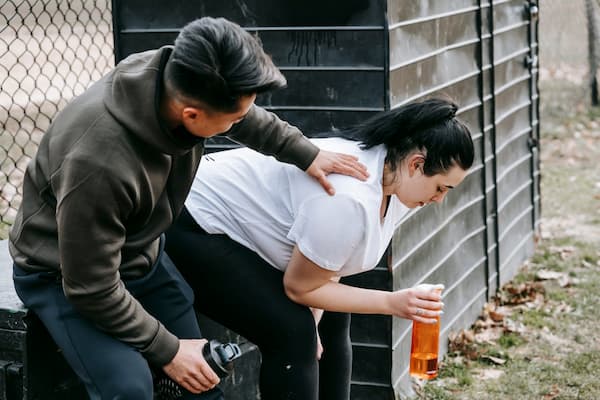
Intestinal Sacrifice: The Ischemia-Reperfusion Phenomenon
Another specific characteristic of athletes lies in how their blood circulation is managed. To meet the needs of the muscles, the body performs a genuine "redirection" of blood, at the expense of non-priority organs such as the gut.
- Ischemia: During effort, the gut experiences a relative deprivation of blood and oxygen.
- Reperfusion: As soon as the effort stops or the intensity drops, blood flows massively back to the gut.
This ischemia/reperfusion cycle is highly generative of free radicals. Yet, intestinal cells are naturally poor in antioxidant defenses.
Consequences on the Intestinal Barrier
Aggression by these free radicals can lead to necrosis (cell death) of the intestinal walls, causing digestive disorders common among endurance athletes. Beyond comfort, this weakens the mucosa, which can no longer fulfill its role as a filter. Undesirable molecules, such as bacterial endotoxins, can then cross the intestinal barrier and enter the general circulation, compromising the overall health and recovery of the athlete.
Importance of the Microbiota in Athletes
For athletes, nutrition must not be perceived solely as a caloric intake meant to provide immediate energy. It is a genuine biological maintenance strategy. Just like precision mechanics, the body requires not only "fuel," but also structural and protective components to ensure its long-term durability and efficiency. While macronutrients (carbohydrates, lipids) act as the energy source, the proper functioning of metabolism depends on the constant upkeep of its moving parts. The goal is twofold:
- Optimize cellular function: Ensure that every chemical reaction takes place perfectly.
- Prevent wear and tear: Protect tissues against oxidative stress and physiological exhaustion related to exertion.
A healthy intestinal microbiota improves assimilation, digestion, and the full availability of ingested nutrients, and consequently, athletic performance. Indeed, a strengthened intestinal mucosa limits the risk of intestinal hyperpermeability and its associated chronic fatigue syndrome. It makes the body more resilient to all kinds of sensitivity or intolerance reactions (gluten, lactose) and various inflammations (frequent injuries, persistent tendinitis, recurring minor infections…).
Restoring the Balance of Your Gut Flora
Integrating Cistus Pollen
During the preparation phase, cistus pollen is particularly suitable for strengthening and protecting the intestinal system because it features a large quantity of lactic ferments belonging to the lactobacilli family with a "probiotic effect"—allies of a balanced intestinal flora. It also helps consolidate the intestinal mucosa to combat intestinal porosity or "leaky gut syndrome." This permeability allows protein fragments to penetrate the body, which then triggers an immune response.
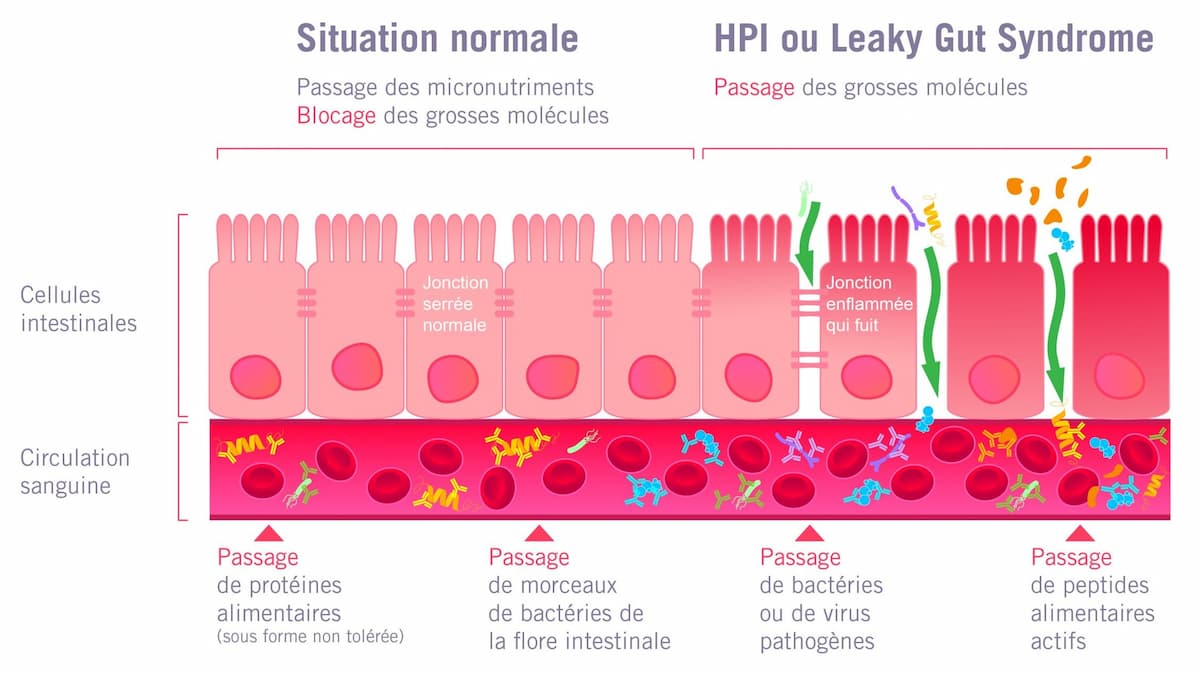
These abnormally present protein fragments and immune responses promote inflammation and also attack the tendons. This situation can be aggravated by sports, but also by the consumption of medications (anti-inflammatories) or compounds to which one might be intolerant (lactose from milk for some, wheat gluten for others, to name just the most common!).
A healthy digestive system also ensures optimal nutrient assimilation. If it doesn't function well, poorly broken down macronutrients cannot be absorbed. As a result, sugars remain in the digestive tract and ferment (gas, bloating). Proteins cannot be absorbed and undergo a putrefaction process (foul-smelling gas, bloating). Lipids end up in the stool (diarrhea), and fat-soluble vitamins, which depend on lipid absorption, will not be absorbed either.
Cistus pollen is also rich in fiber (12.8 g per 100 g, including 3.2 g of soluble fiber and 9.6 g of insoluble fiber). This intake naturally contributes to regulating transit and reducing the glycemic spike. Indeed, fibers slow down the absorption rate of certain nutrients, including carbohydrates, and thus prevent blood sugar levels from rising too quickly.
During the preparation phase, the individual can consume up to 2 tablespoons of cistus pollen per day for at least 3 weeks before the sporting event. Consuming Aristée fresh frozen pollen can help, on the one hand, improve the quality of training sessions and, on the other hand, limit the harmful effects of training (digestive issues, impaired immune system, breakdown of muscle fibers...). This ultimately contributes to the athlete's progress and performance improvement.
Benefits of Pollen for Athletes
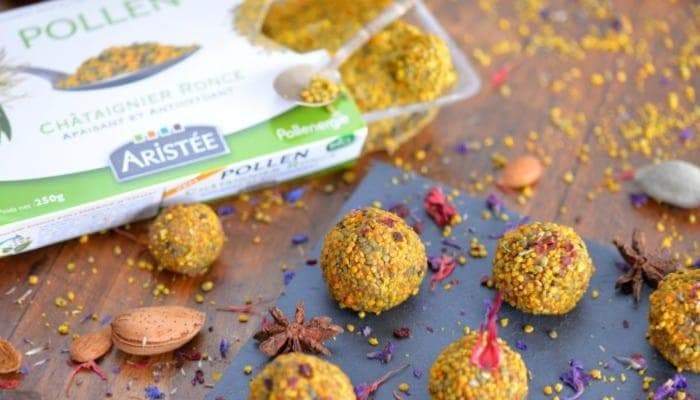
Fresh pollens in general are rich in B-group vitamins. This family of vitamins participates in the conversion of carbohydrates, proteins, and fatty acids to provide the essential energy required by muscles. Therefore, these vitamins are highly useful for endurance athletes. They also contain a significant proportion of carbohydrates, which are the preferred macronutrients for improving endurance performance. The glycemic load of pollens, even those highest in carbohydrates, remains moderate at a dosage of one to two tablespoons.
Rich in minerals, bee pollens are also alkalizing and help limit the acidification of the body. In the case of an overly acidifying diet, our body would be forced to draw upon buffering substances. However, "these buffers" are bound to calcium in the form of calcium bicarbonate and calcium citrate, two substances whose main reserve is the skeleton. In the event of acidosis, our body would therefore be forced to extract "buffering" substances from the skeleton along with the calcium to which they are bound. The skeleton then becomes weakened and prone to osteoporosis. For endurance athletes, the risk of stress fractures could increase. An overly acidic environment could also promote muscle wasting and tendinopathies. It is also important to remember that "high-dose" exercise promotes metabolic acidosis, partially linked to an imbalance in the intestinal flora, which can lead to severe diarrhea, prompting the loss of bicarbonates as well as minerals with alkaline properties (such as potassium).
Apitherapy for Recovery
Protein Intake After Exercise
During prolonged and/or intense exercise, amino acids (the building blocks of proteins) that make up muscle proteins (the primary and structural role of amino acids) are used for the energy required to perform the effort. Even if the quantity of these amino acids used is low, it has significant consequences on muscle function. After exercise, the body automatically enters a phase of muscle protein reconstruction (called "anabolism"), the effectiveness of which heavily depends on the availability of amino acids and various hormonal signals, including those triggered by insulin.

Thus, providing proteins and amino acids after exercise will promote the reconstruction of muscle proteins. Hawthorn bee pollen and Nutripollencontain up to 24% protein, richness comparable to meat. Furthermore, pollens feature balanced aminograms, meaning all essential amino acids are present. A major asset for athletes looking to optimize protein assimilation.
Counteracting Free Radical Attacks
When free radicals are produced in reasonable quantities, they contribute "positively" to the life of the cell. Conversely, when they are produced in excessive amounts, they can cause significant cellular damage, particularly in the muscles and joints. During high-intensity exercise or competition—especially when practiced occasionally—there is a major increase in free radicals, which leads to structural damage within muscle cells. The direct consequences are reduced muscle strength and an earlier onset of fatigue, resulting in poor performance or even harmful injuries for the athlete!
Fighting Oxidative Stress
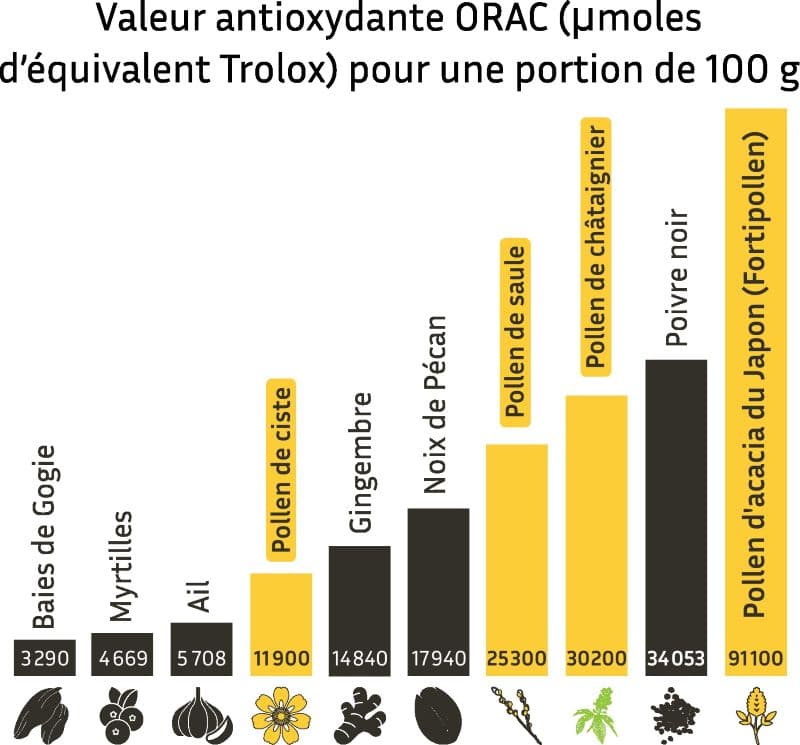
To fight against muscle damage, the protective effects of antioxidants are also well-known in the sports world. These molecules help limit the damage caused by free radicals. As waste products of respiration, these radical elements are produced in greater quantities during intense physical exertion. Just like proteins, antioxidants offer significant benefits for supporting muscle activity and accelerating recovery after sports. It is for this reason that antioxidants and the amino acids used for protein synthesis are molecules incorporated into the formulation of many sports dietary supplements. We recommend Fortipollenor chestnut bee pollen for their ORAC score, which measures the antioxidant capacity of a food. Combining them with a pollen rich in plant proteins promotes post-exercise recovery. This combination has shown positive results in limiting muscle soreness.
Other Hive Products for Recovery
Support Your Immunity with Propolis
Intense effort creates a drop in immune defenses, which can promote the multiplication of viral infections (especially upper respiratory and ENT infections). It is therefore important to restore your immune defenses with brown poplar propolis in capsules or alcohol-free single-dose units. Thanks to its anti-inflammatory and pain-relieving action, this propolis is also highly recommended during the recovery phase to reduce inflammatory phenomena and promote recovery, at a dosage of 2 capsules per day for 20 days.
Our poplar propolis
Strengthen Your Skeleton with Royal Jelly
Consuming royal jelly promotes and accelerates bone reconstruction. This "caviar of the hive" is beneficial to take in an amount equivalent to a pea per day during the recovery phase, especially if the athlete is suffering from a bone injury.
Accelerate Healing with Honey
Healing honey is a very useful medical device for dermabrasions like blisters, to which athletes are frequently exposed. It is also beneficial for traumatic wounds.
 Français
 English