Les frais de livraison sont offerts à partir de 65 € d'achat pour la France métropolitaine. Livraison en Point Retrait à La Poste, en relais Pickup ou en consigne sous 48h.
The dramatic rise in autoimmune diseases appears to be directly linked to changes in the gut microbiota. As scientific studies have progressed, it has become clear that bacterial imbalances in the microbiota—along with genetic predispositions and exposure to various pollutants—may contribute to inflammatory processes and immune disorders.
Origin of Chronic Inflammatory Bowel Diseases or IBD
Under normal conditions, our immune system distinguishes between foreign agents to our body (bacteria, viruses, parasites, toxins, cancer cells…) and our own components. Autoimmune diseases result from a dysfunction of our immune system, which attacks our own components. This represents a breakdown in "self" tolerance.
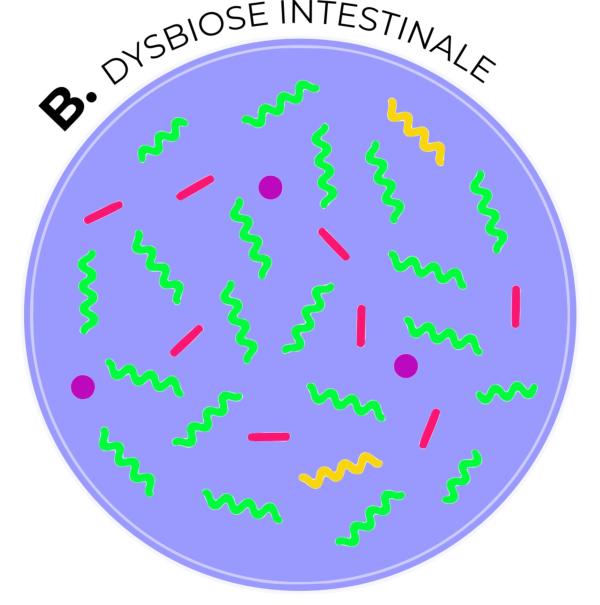
The manifestations of intestinal dysbiosis are varied, ranging from digestive disorders such as bloating, gas, and changes in bowel habits, to non-digestive symptoms such as fatigue, brain fog, and skin issues. It is increasingly evident that dysbiosis is not limited to gut problems, as it is potentially involved in the development or progression of numerous conditions, including inflammatory bowel diseases, irritable bowel syndrome, obesity, diabetes, allergies, autoimmune diseases, and even certain neurological disorders.
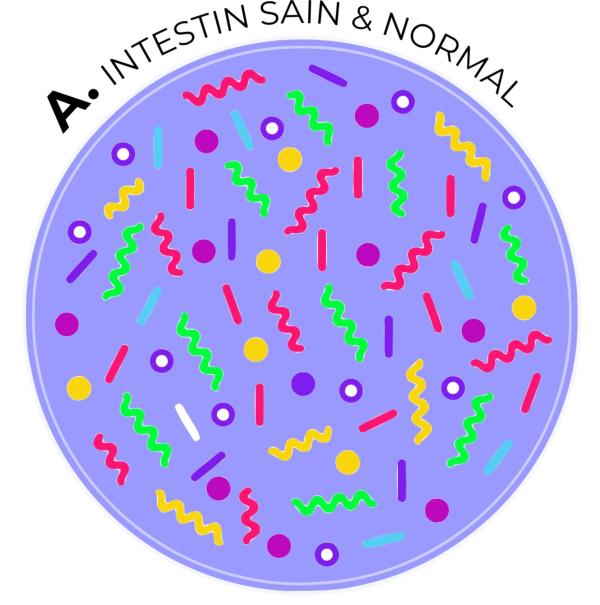
In cases of intestinal dysbiosis, the balance of microorganisms is disrupted. This can result in a decrease in beneficial bacteria, an overgrowth of potentially harmful bacteria, a loss of microbial diversity, and changes in the metabolic activity of the microbes. Numerous factors can induce this dysbiosis, including taking antibiotics, an unbalanced diet, chronic stress, excessive alcohol consumption, and certain infections or medications.
An imbalance between saprophytic bacteria (which live in the body without causing disease) and pathogenic bacteria leads to the development of immune disorders and the runaway progression of inflammatory processes. One of the fundamental roles of the microbiota is, in fact, to modulate the body’s immune responses.
Among these autoimmune diseases are chronic inflammatory bowel diseases (IBD), which affect the daily lives of more than 250,000 people. They encompass many forms of disease, including:
Ulcerative colitis (UC)
Crohn's disease
Ulcerative Colitis (UC)
Ulcerative colitis (UC) is an inflammatory disease of the colonic mucosa that begins in the rectum and generally extends to a part of the colon, or much more rarely, to its entirety. This disease, which is even more widespread than Crohn's disease, is characterized by inflammatory flare-ups of varying intensity and phases of remission.
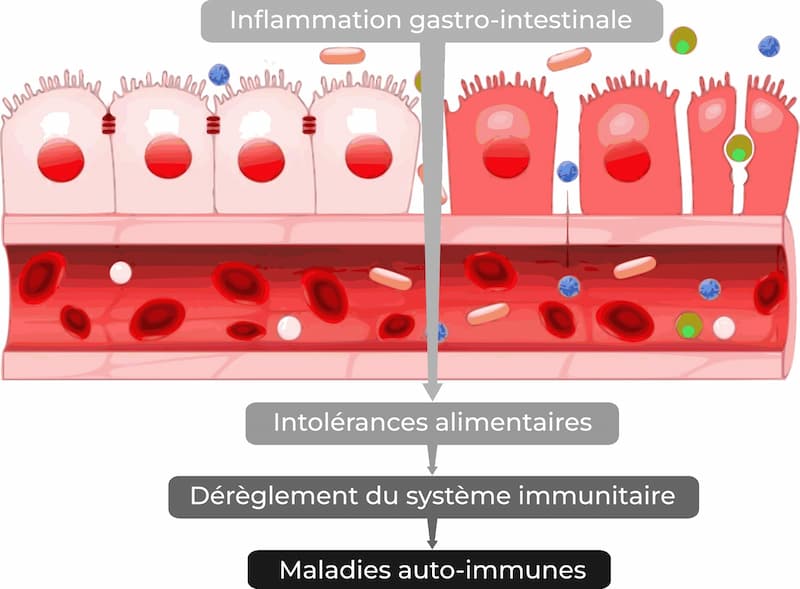
An alteration of the mucus layer covering the colon wall is believed to increase intestinal permeability by disrupting the balance between mucosal immunity and the intestinal microbiota. This leads to an aberrant immune response and the production of pro-inflammatory proteins that exert toxic functions against the cells of the intestinal mucosa.
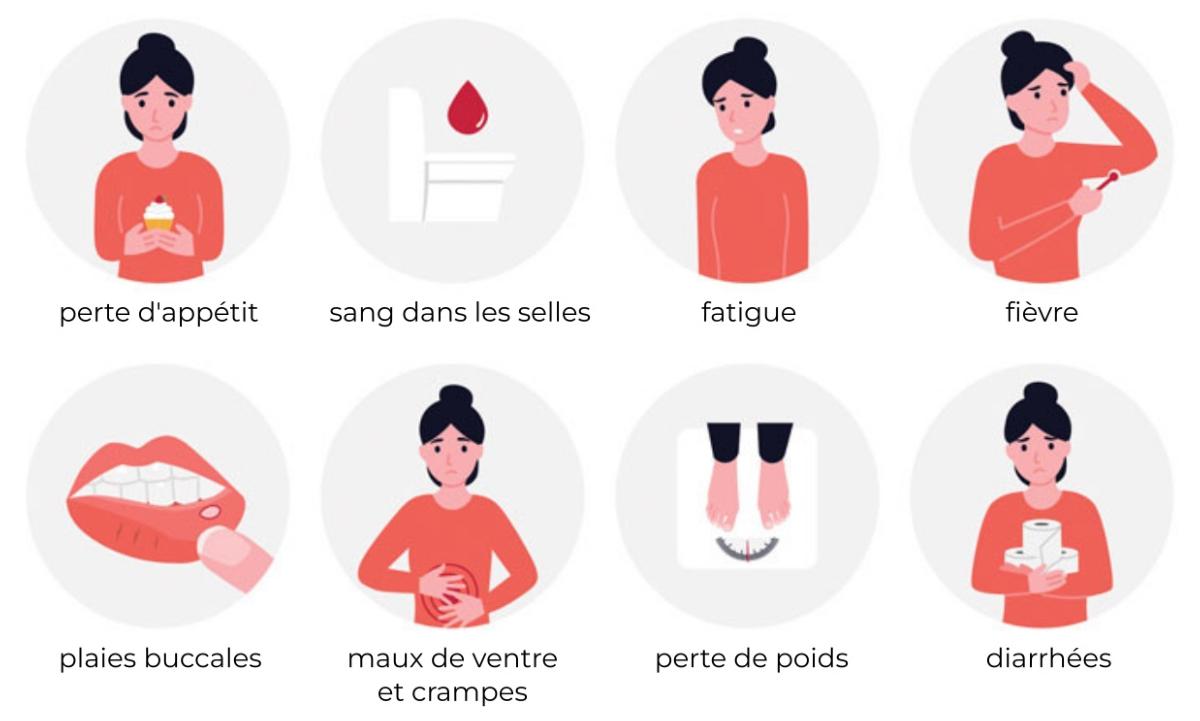
Bloody diarrhea caused by congestion and inflammation of the mucosa is a characteristic symptom.
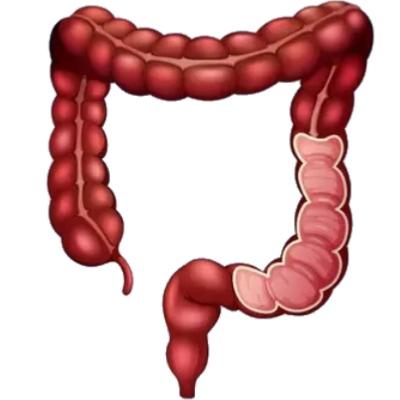
Normal colon
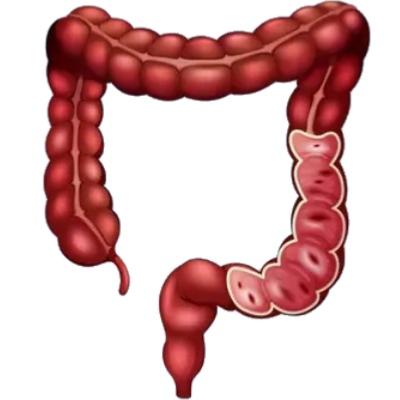
Colon with RCH
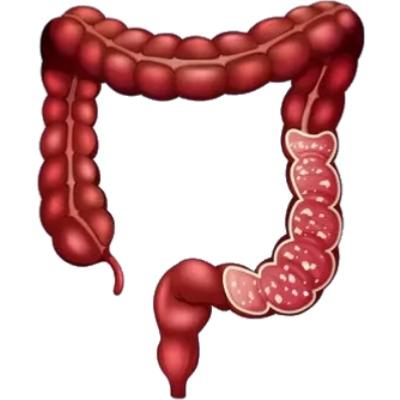
Colon with severe RCH
Crohn's Disease
Unlike ulcerative colitis, Crohn's disease can affect any segment of the digestive tract. The main clinical manifestations of Crohn's disease include abdominal pain, diarrhea, and lesions in the anal region (fissures, fistulas, abscesses). It also progresses through flare-ups.
The inflammation extends deep into the lining of the affected part of the gastrointestinal tract. The swelling caused by this inflammation can be a source of pain and can lead to the phenomenon known as an "empty bowel" or "empty colon", which is responsible for the diarrhea.
Whether chronic or long-term, inflammation can produce scar tissue that forms inside the intestine, eventually creating a stricture. A stricture is a narrowed passage that can slow down the movement of food through the intestine, thereby causing pain or cramping.
These diseases require specialized medical follow-up with allopathic treatments that are increasingly effective against flare-ups. However, relapses remain frequent, and many patients must undergo surgery: after 10 years of disease progression, more than one out of two patients undergoes an intervention.
Many people live in constant fear of painful, debilitating inflammatory flare-ups and are seeking natural complementary support to gradually reduce the frequency of these episodes and work toward remission. Just like herbal medicine and aromatherapy, apitherapy—or bee medicine—can offer solutions to reduce or even delay relapses and reduce the need for medications with significant side effects.
Hive Options
Outside of crisis periods (when a low-residue diet aimed at resting the digestive tract should be implemented), people still tend to exclude foods or food groups, thinking they might be the cause of acute flare-ups. However, they already present numerous deficiencies due to intestinal malabsorption, bleeding, and the frequent use of corticosteroids. Above all, it is therefore essential to properly balance one's diet:
by fighting pathogenic intestinal flora
by strengthening the intestinal mucosa and improving the selective barrier of the intestinal epithelium to combat porosity
by reducing inflammation
by strengthening natural defenses
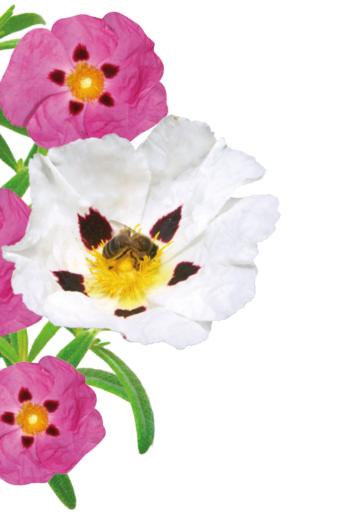
Important reminder: cistus pollen is the only product that revitalizes both the intestinal mucosa and flora, thanks to a synergy between a complex microbial system and a set of antioxidant micronutrients.
In the case of IBD (Inflammatory Bowel Disease), it is recommended to take cistus bee pollen daily without interruption at a rate of one tablespoon per day during breakfast. When starting to take it, in the event of frequent diarrhea and/or a low-residue diet period, it is advised to consume only 1 teaspoon per day, then gradually increase to one tablespoon.
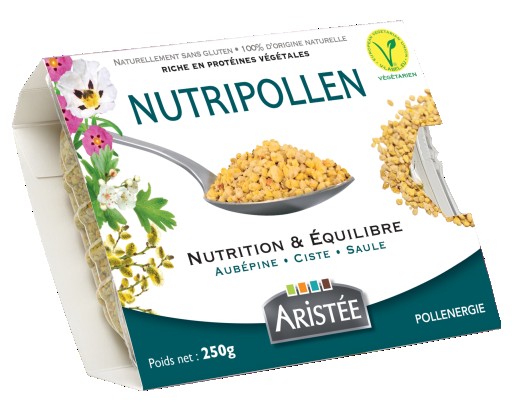
Nutripollen can also be very valuable in helping to limit the risks associated with malnutrition, or even undernutrition. Its versatile combination of 3 pollens (Hawthorn, Cistus, and Willow) makes it an effective ally from both a nutritional and protective standpoint.
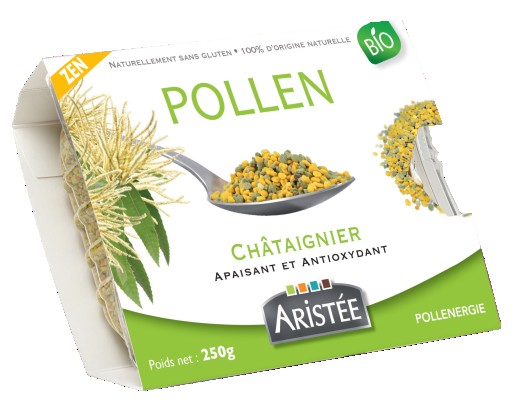
Finally, chestnut pollen can also play a significant role in restoring nervous balance, as anxiety and stress are very frequently present in affected individuals.
We recommend consuming the fresh frozen pollens in the following order:
6 weeks of cistus pollen (i.e., 2 trays of 250 g)
3 weeks of Nutripollen or chestnut pollen
6 weeks of cistus pollen (and so on)
It is important to emphasize that extra-strong poplar propolis is the most highly recommended for IBD (Inflammatory Bowel Disease) and, more broadly, for autoimmune diseases. In addition to its immunomodulatory properties that regulate the immune response, poplar propolis helps combat inflammation. The capsule formulation is preferred for a broader systemic action: taken as a 20-day course of 2 to 6 capsules per day, depending on the severity of the issues encountered.
SOURCES:
Everything You Need to Know About Autoimmune Diseases – Dr. Laurent Chevallier – Marabout Paperback Edition
The Gut, Our Second Brain – Prof. Francisca Joly Gomez – Marabout Paperback Edition
My Dietary Prescriptions – Dr. Laurent Chevallier – Le Livre de Poche
The Discreet Charm of the Gut – Giulia Enders – Actes Sud
 Français
 English