Joint Response to Propolis

Price: €22.90

card_membership By buying this product you can collect up to 22 loyalty points. Your cart will total 22 points that can be converted into a voucher of €1.10.

Directions for use

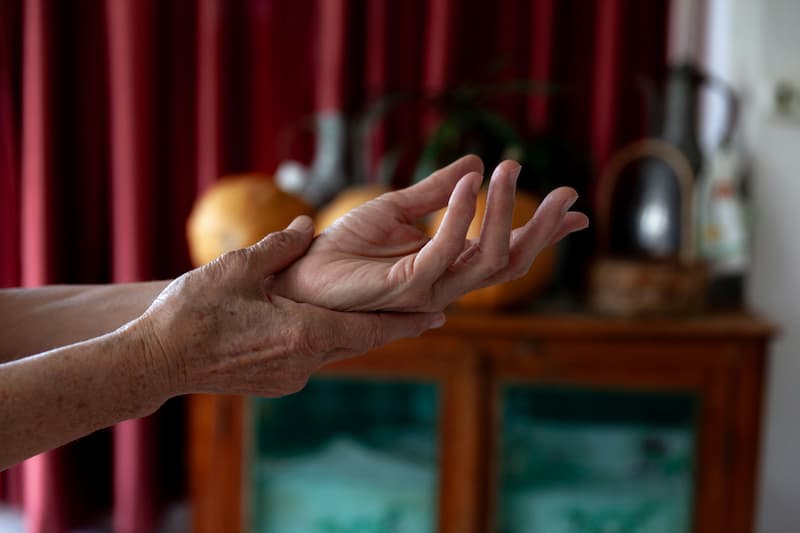
A supplement for adults experiencing mobility issues or stiffness caused by painful joints. Also recommended for professional and amateur athletes during training and recovery phases. Bottle containing 90 capsules for a one-month supply.

Read more
Practical informations :
  • Free delivery from €65 in France
  • In stock (1740)
  • At home on monday 5 october 2026
    info
  • Help and advises 05 53 68 11 11
  • 20 years old french manufacturer
Description
Description

The Natural Solution for Joint Flexibility and Comfort

Réponse Articulaire is a dietary supplement combining the recognized benefits of chondroitine and glucosamine with those of early-harvest poplar propolis. This unique formula helps maintain joint comfort, flexibility, and mobility. Brown propolis, along with Omega 3, also provides a soothing effect.

Actions and Principles of Réponse Articulaire

Our Réponse Articulaire complex was designed using 4 ingredients recognized for their synergistic effects on the two pillars of prevention and protection, namely an action on the inflammatory phenomenon and the stimulation of cartilage tissue.

Properties Common to Our Propolis

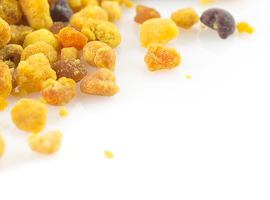
Selected according to their botanical origin, our propolis varieties are a concentrate of protective substances. They contain compounds, mostly polyphenols, including flavonoids, phenolic acids, aromatic acid esters, and essential oils. This combination of sanitizing substances naturally contributes to the body's protection and resistance. Numerous scientific research studies have confirmed the antimicrobial, antiviral, and antifungal activities that make propolis a product of choice for fighting many infections, hence its nickname "natural antiseptic". Science has also recognized the immunomodulatory, antioxidant, and anti-inflammatory activities of propolis.

Glucosamine Sulfate

This is an essential constituent of cartilage and synovial fluid. Glucosamine helps maintain the integrity and function of joints, potentially helping to relieve osteoarthritis pain and slow down cartilage degradation.

Chondroitin Sulfate

This major component of cartilage gives it elasticity and resistance. Chondroitin prevents the breakdown of cartilage and promotes its repair, thereby contributing to joint health, particularly in the context of osteoarthritis.

Omega 3

These are fatty acids that limit the inflammatory state that can accompany joint pain.

Early-Harvest Poplar Propolis

This beehive product combines strong antioxidant activity with an anti-inflammatory action, which helps protect cartilage tissues.

Ingredients
Ingredients

Per 3 capsules: 1,017 mg of glucosamine sulfate (D-glucosamine 2-KCl sulfate from shellfish cartilage), 390 mg of chondroitin sulfate (crustacean cartilage), 255 mg of fish oil powder standardized for omega-3 (contains soy and milk proteins or milk-derived caseinate), 195 mg of poplar propolis concentrate, 48 mg of magnesium salts of fatty acids - Anti-caking agents: acacia gum, magnesium carbonate, vegetable capsules (hypromellose).

90-capsule pill organizer made of HDPE. Net weight: 57.2 g. Store at room temperature in a dry place.


Quality criteria of our propolis

1. The harvesting method

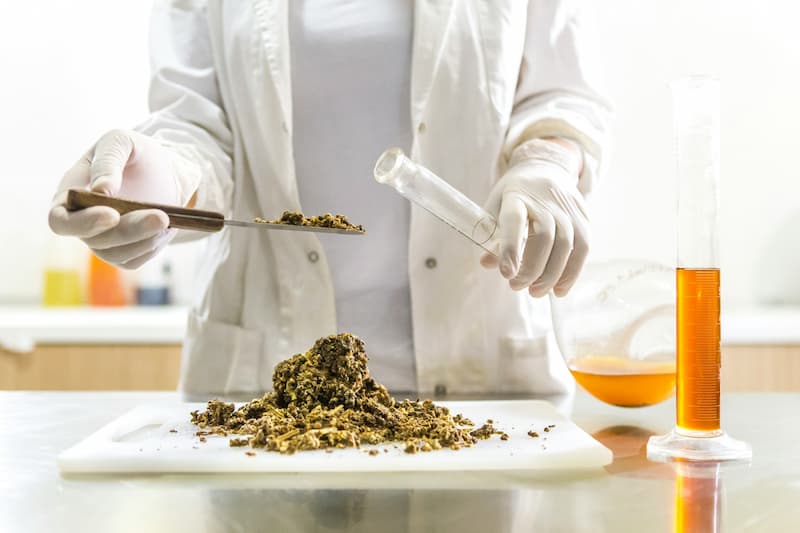
In Europe, there are two practices: scraped propolis and mesh propolis. Beekeepers collect propolis either by scraping the hive frames or by the so-called "mesh" method. The latter consists of placing meshes above the hive frames in the spring and removing them in September. This method yields fresh propolis, rich in active ingredients, non-oxidized, and containing very little waste.

Scraped propolis comes from scraping the frames and contains hive treatment products, wax, and other toxic substances. Unfortunately, it is marketed by various brands. Even in an organic hive, there are many pollutants in this propolis, and it is even worse if the hive is old. This propolis is only fit to be thrown away. Is this stated on the packaging? No, of course not. Those who use scraped propolis do not brag about it!

All our propolis products are systematically analyzed to guarantee our customers a product free of heavy metals, including those that do not have organic certification.

2. Botanical origin

The botanical origin is what makes propolis unique. There are several types of propolis depending on the plants present in the hive's geographical area, the availability of plants during the season, and the bee species. This is why we speak of green propolis when it comes from Baccharis, red propolis for Dalbergia, and brown or black propolis when it comes from poplar. Each botanical origin produces specific organic compounds involved in its defense mechanism. Therefore, propolis has a unique chemical composition, characterized by a variable polyphenol profile.

3. Guaranteed polyphenols

On the label, check that the product has a standardized active ingredient content (polyphenols). Propolis containing 25% or 30% polyphenols is magical! Unfortunately, the law does not require this to be stated on the label. Also, carefully check for a guarantee of the absence of heavy metals and pesticides. Beware of brands that do not state this!

Directions for use
Directions for use

Take 3 capsules daily, in one or two doses, preferably after a meal—1-month course of treatment.

For those who cannot swallow capsules, open the capsule and mix the powder into yogurt or fruit compote (it does not dissolve in water).

Dietary supplement intended for adults only. Keep out of reach of young children. Not recommended for people allergic to bee products, fish, shellfish, soy, milk and milk-based products and derivatives, diabetics or pre-diabetics, asthmatics or those treated with anti-vitamin K medication, people on a diet restricted in sodium, potassium, or calcium, pregnant or breastfeeding women, and children.

Joint pain
Joint pain

What Is Osteoarthritis?

Osteoarthritis is a process of progressive cartilage destruction that extends to all structures of the joint, notably the bone and synovial tissue. Cartilage forms a protective film that lines the bony extremities of a joint and allows them to glide over one another. The very specific composition of cartilage gives it its essential physico-chemical properties to ensure the functions of "allowing bones to glide smoothly against each other" and "absorbing shocks and distributing pressure."

Osteoarthritis causes the cartilage to thin

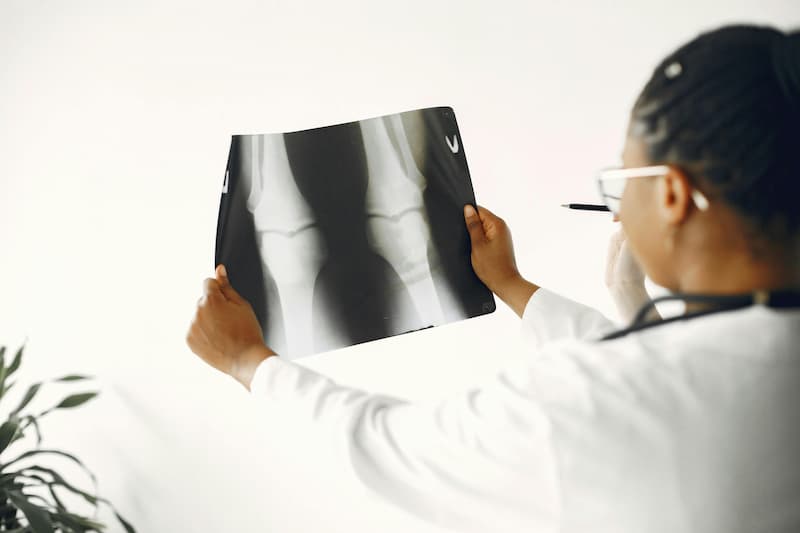
Osteoarthritis leads to a loss of cartilage thickness, which cracks and eventually disappears, causing pain and loss of mobility. Current treatments focus on relieving pain (analgesics, anti-inflammatories). The progression of the disease is not linear. Two phases alternate at an unpredictable pace: a chronic phase during which pain is moderate, interspersed with acute painful flare-ups accompanied by joint inflammation. It is during these flare-ups that cartilage destruction occurs. The diagnosis of the disease is based on an X-ray examination, which allows for the observation of the narrowing of the joint space connecting the bones. Osteoarthritis is a destructive and inflammatory syndrome associated with various risk factors.

Destruction is a pathological process linked to age, metabolic dysfunction, excess pressure, certain joint diseases, or even a natural (hereditary) fragility of the cartilage. We no longer speak of osteoarthritis in general, but of "osteoarthritides" depending on the patient profile: age-related osteoarthritis, obesity-related osteoarthritis, or joint disease-related osteoarthritis, etc. Consequently, each of these situations leads to distinct pathological mechanisms involving different molecular signals between the various tissues of the joint, which unfortunately are not yet always fully understood. Currently, the two promising avenues are, on the one hand, fighting inflammation and, on the other hand, stimulating the production of cartilage or bone.

We no longer talk about osteoarthritis in general, but rather about different types of osteoarthritis depending on the patient's profile

Osteoarthritis is associated with an inflammatory phenomenon characterized by the massive presence of pro-inflammatory molecules that trigger the destruction of cartilage. This occurs through metabolic changes in the cartilaginous tissue via the production of pathological molecules—mainly proteolytic enzymes (metalloproteinases) and free radicals—which induce the degradation of the cartilage matrix.

Propolis Against Oxidative Stress

It is widely known that propolis possesses strong antioxidant activity capable of limiting oxidative stress. However, there are also numerous in vitro and in vivo studies on the anti-inflammatory and analgesic action of propolis. These studies have demonstrated that this anti-inflammatory effect occurs through the inhibition of molecular signals, pro-inflammatory molecules, or nitric oxide (NO)—all of which are involved in osteoarthritic pathology via the secretion of pro-inflammatory molecules.

One study showed that the intraperitoneal injection of propolis effectively prevented cartilage fissures more efficiently than diclofenac, a non-steroidal anti-inflammatory drug. In this study on a rat arthritis model, propolis reduced the level of pro-inflammatory molecules and normalized nitric oxide levels.

Effet anti-inflammatoire de la propolis

Another in vitro study conducted on human cartilage and isolated chondrocytes (the cells responsible for cartilage synthesis) stimulated with pro-inflammatory molecules showed that propolis was able to reduce NO production, lower the release of the building blocks of cartilage (glycosaminoglycans) into the culture medium, and limit the inhibition of cartilage tissue synthesis. Other studies have shown the ability of propolis to inhibit the activity of extracellular matrix-degrading enzymes (metalloproteinases).

Finally, propolis seems capable of acting on the second area of research, namely the stimulation of cartilage or bone. Indeed, studies have shown that propolis extracts were able to stimulate the synthesis and accumulation of type I collagen and proteoglycans, which are found in the structures of bone and cartilage, respectively.

Benefits of Pollen and Royal Jelly for Osteoarthritis

Among other hive products, fresh pollen—due to its high concentration of antioxidant molecules—can help combat the inflammatory process. A study on an animal model of arthritis showed that consuming fresh cistus pollen helped reduce edema, the arthritis score, and serum levels of inflammatory factors. It also appears that taking royal jelly can stimulate the formation of type I collagen, as well as other activities related to bone formation.

In conclusion, it appears that propolis, as well as pollen or royal jelly, due to the presence of specific constituents, are good candidates for effectively combating the inflammatory process involved in osteoarthritis and helping the resynthesis of damaged tissues.

Customer reviews
Customer reviews
Data sheet
Data sheet
  • Product Type
    Propolis
  • My needs
    Joint pain
  • Label
    Non bio
  • Contenance
    90 capsules
  • Format
    Capsule

You might also like

Loading...
Back to top