Pregnancy and Breastfeeding

Supporting pregnant and breastfeeding women with fresh pollen

Also known as vitamin B9, folic acid is particularly important at the time of conception and in early pregnancy. In fact, it plays a key role in cell division and is involved in the development of the embryo’s nervous system. An alternative to supplements to prevent deficiencies? One tablespoon of fresh pollen provides over 150% of the recommended daily intake! Here’s why.

The Role of Vitamin B9 During Pregnancy

Pregnancy is a nutritionally demanding state. Recommendations for pregnant women clearly reflect the increased need for nutrients necessary for a smooth pregnancy.

While a balanced diet is essential during this period, it is equally important before conception and during the first weeks of gestation. This is particularly true regarding vitamin B9 intake. This vitamin has a major impact during the early weeks of pregnancy—a period during which most women are still unaware that they are pregnant!

Vitamin B9, also known as folic acid or folates, is a compound synthesized by plants. The human body cannot produce it and must therefore obtain it from food. Its role is vital. It acts on cell growth and division, and consequently on tissue synthesis. It also participates in the synthesis of blood and nerve cells.

Prevent vitamin B9 deficiency with fresh pollen

The requirement for vitamin B9 is significantly increased during pregnancy. The risk of deficiency is real. This is even more true if the woman is expecting twins, if the pregnancies are closely spaced, or during prolonged breastfeeding. The consequences for the child vary depending on the stage of pregnancy, the severity of the deficiency, and the individual sensitivity of the mother-to-be. This deficiency is particularly hazardous during the first weeks of pregnancy. It can lead to serious malformations affecting the brain or nervous system in predisposed women. The recommended folate intake is generally 300 μg per day. It increases to 400 μg per day for pregnant or breastfeeding women.

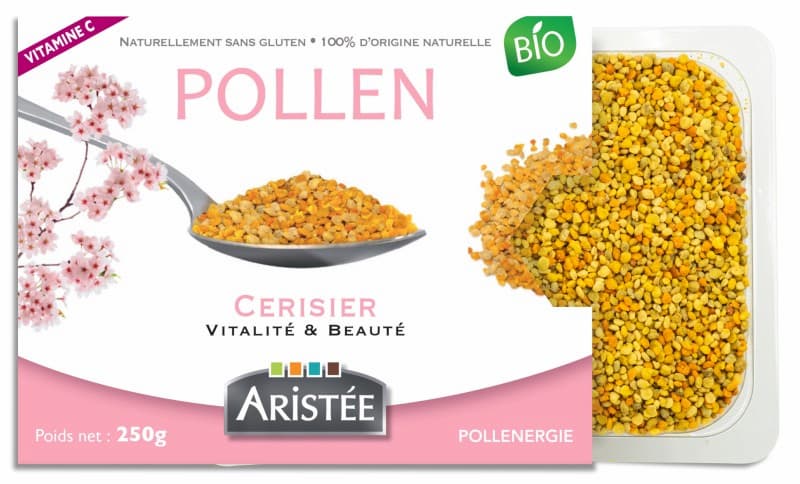
Meeting the recommended daily intake is ensured by our food. Green leafy vegetables such as spinach or salads are those that provide the most vitamin B9. It can also be found in yeast, liver, and egg yolk. Vitamin B9 is highly heat-sensitive and is largely destroyed during cooking. Fresh frozen cherry blossom pollen effectively contributes to this essential daily intake. One tablespoon provides an average of 372μg of vitamin B9, which covers nearly all requirements! With a folic acid intake of 310.95μg per tablespoon of approximately 15 g, hawthorn bee pollen also represents an interesting alternative.

Cherry pollen, the richest source of vitamin B9

Please note: Overdoses are extremely rare, and the risk threshold is only reached for ingestions of more than 5 mg per day. The main symptoms described are neurological. A safe upper limit of 1 mg per day has therefore been established.

Different Needs According to the Trimesters

1st trimester

  • Cherry pollen for folic acid: this vitamin B9 helps reduce the risk of neural tube defects in the embryo, especially during the first weeks of pregnancy.

2nd and 3rd trimester

  • Hawthorn pollen for iron intake: This pollen contributes to iron intake, containing 6.10 g of iron per 100 g. Vitamin C, naturally present in hawthorn pollen in balanced proportions, will promote iron absorption.

  • Heather pollen for heavy legs: It contains rutin, which contributes to the flexibility of blood capillaries and microcirculation.

  • Chestnut pollen for morale: this pollen provides the body with tryptophan, an amino acid precursor to serotonin, which plays a role in regulating mood and anxiety.

End of pregnancy

  • Cherry pollen for breastfeeding: rich in B9 vitamins, cherry pollen promotes lactation for mothers wishing to breastfeed.

Prevention of Urinary Tract Infections During Pregnancy

Baccharis green propolis from Brasil capsules are an excellent alternative to allopathic treatments that are restricted during pregnancy and breastfeeding. Their immunomodulatory action helps strengthen immunity and protect the body from external aggressions.

Propolis verte de baccharis du Brésil

For prevention: 2 capsules per day for 20 days, and for support up to 6 capsules per day.

Combined with cranberry, Baccharis green propolis is also valuable in the prevention of urinary tract infections. A recent study has shown a cooperative synergistic effect between these two substances on the anti-adhesion effect of Escherichia coli (Lavigne et al. 2011).
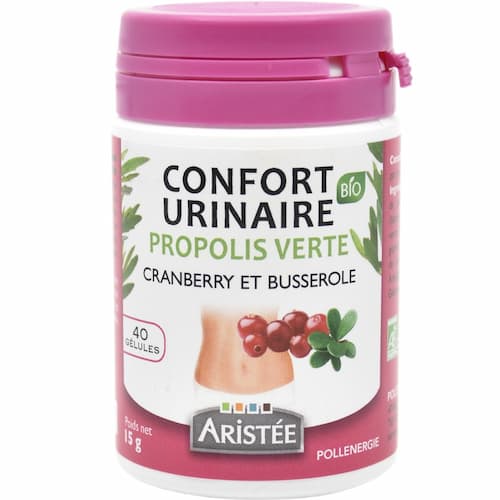
Confort urinaire contre les cystites

For prevention: 2 capsules per day for 20 days / to be repeated every month if necessary. Drink 1 liter of water daily.

Breastfeeding Cracks and Chaps

Honey is widely studied for its antibacterial and healing properties, which are highly useful in treating wounds or burns. Clinical studies have demonstrated the effectiveness of honey in the healing process: inflammation disappears in just a few days, wounds dry quickly, and tissue reconstructs faster. For medical use, it is fundamental to choose a honey sterilized using a method that does not alter its intrinsic properties, ensuring its safe use in wound treatment.

Healing honey

Fleurs de pollen Fleurs de pollen
Loading...
Back to top