Les frais de livraison sont offerts à partir de 65 € d'achat pour la France métropolitaine. Livraison en Point Retrait à La Poste, en relais Pickup ou en consigne sous 48h.
A true natural pharmacy, apitherapy no longer limits itself to treating our winter ailments. By harnessing the exceptional properties of honey, propolis, royal jelly, and pollen, this ancient discipline offers a powerful solution to skin and hair concerns. Whether to deeply hydrate, soothe inflammation, or restore vitality to dull hair, the treasures of the hive act as concentrated sources of vitality.
Caring for Your Skin with the Hive
Our skin is the tissue that protects our organism from external elements, while ensuring controlled exchanges with this outside world. It is therefore constantly subjected to aggressions, whether they are of physical (UV), chemical (pollution), or microbiological (bacteria, fungi, viruses, etc.) origin. Not all of these aggressions pose the same danger. Hive products can represent an effective natural solution to help our skin fight against them. Nevertheless, a distinction must be made between what falls under therapeutic effects and what belongs to well-being.
The state of our skin is very much a reflection of our health. This is an important aesthetic aspect for many of us, hence the need to preserve and care for it. Honey is a particularly suitable product to help your skin eliminate accumulated toxins. It has a very high osmolarity, which will draw toxins out of your skin. Honey is, of course, highly indicated for healing wounds and burns. Conversely, due to its hygroscopic properties (the ability to attract water), honey does not seem able to play a role in skin hydration.
The sun is vital for us because it boosts our morale, enables the synthesis of vitamin D, gives our skin a lovely tanned complexion, and can even alleviate certain diseases like psoriasis. However, beware: excessive exposure can lead to harmful effects, such as sunburns, skin allergies, premature skin aging, and even certain cancers (melanomas). Indeed, the sun's UV rays attack our epidermal cells, which are not always well-equipped with defense systems capable of repairing the damage. Therefore, it is important to remember to protect our skin with protective creams.
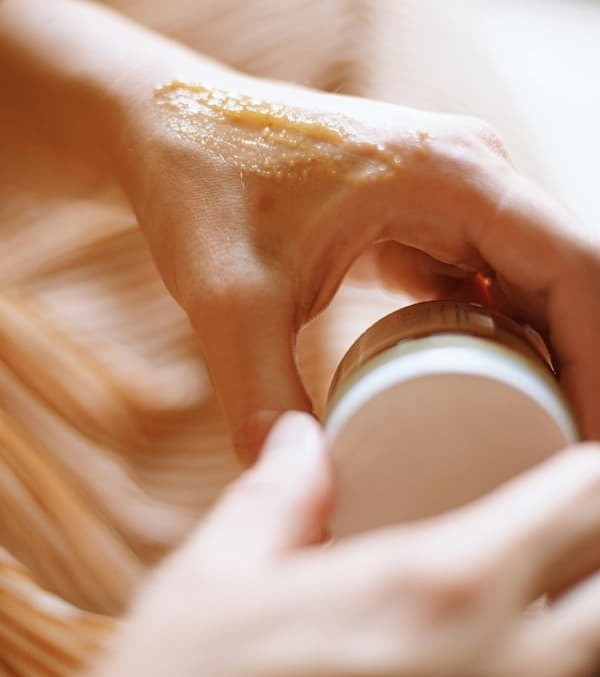
Here again, beehive products can find their place in helping our skin. Creams will contain a certain number of antioxidant molecules that will, on one hand, neutralize the effects of UV rays (acting as a filter) and, on the other hand, increase the defense levels of our epidermal cells. Whether it is fresh pollen, propolis, or even royal jelly, all of these beehive products have demonstrated their antioxidant potential.
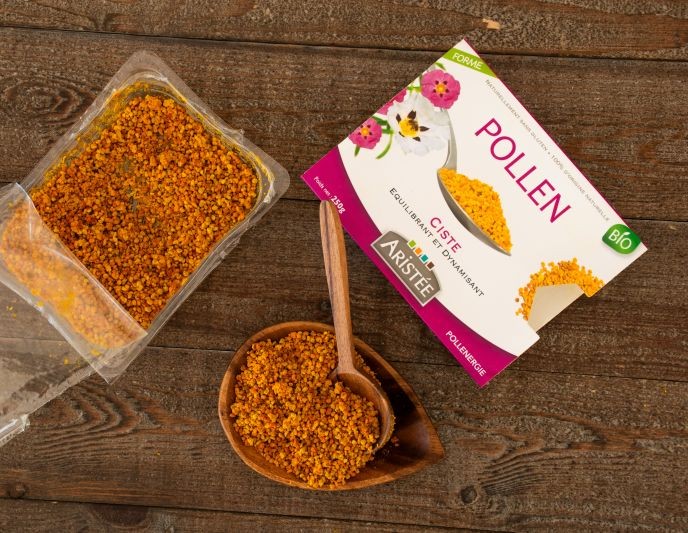
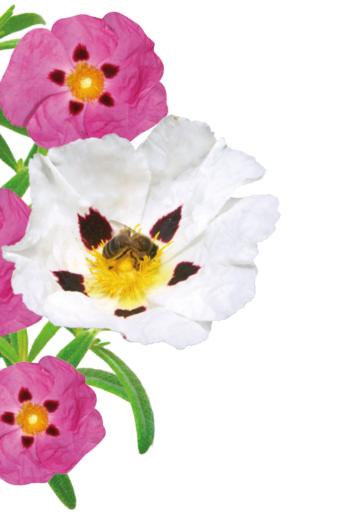
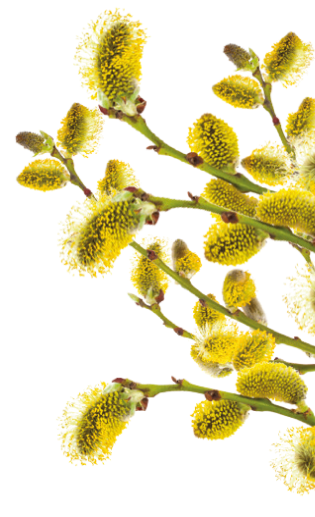
Certain fresh pollens, such as cistus or willow pollen, contain large amounts of carotenoids. These pigments range from yellow to red in fruits and vegetables, and they have a recognized filtering role. This is notably the case for lutein (a carotenoid found particularly in fruit willow pollen) which protects the retina and the lens from UV rays, other organs that are highly sensitive to the sun.
Polyphenols, which are found in large quantities in propolis, are secondary metabolites of plants synthesized precisely to fight against UV rays and protect the plant's cells. It is therefore entirely possible to guard against the harmful effects of UV rays using sun protection products made from these hive products, provided they are of high quality to begin with.
From a therapeutic standpoint, wounds and skin infections, regardless of their origin, can potentially be relieved by hive products. Indeed, all these products exhibit more or less pronounced antibacterial, antiviral, and/or antifungal properties. History shows that poultices, dressings, and other topical application systems have been used successfully on various types of skin infections. Eye drops made with honey or propolis have been used for centuries to treat ophthalmic infections.
Creams based on propolis or honey exist to relieve fungal infections. Records document the treatment of shingles, herpes, or warts using creams, ointments, or by directly swabbing the affected area with an alcoholic extract of propolis. A cream based on bee venom was recently approved by the FDA (Food and Drug Administration) in the USA for the treatment of acne. For greater effectiveness, it can be beneficial to combine a topical action with oral intake, or by combining several products.
The Best Pollens for Hair
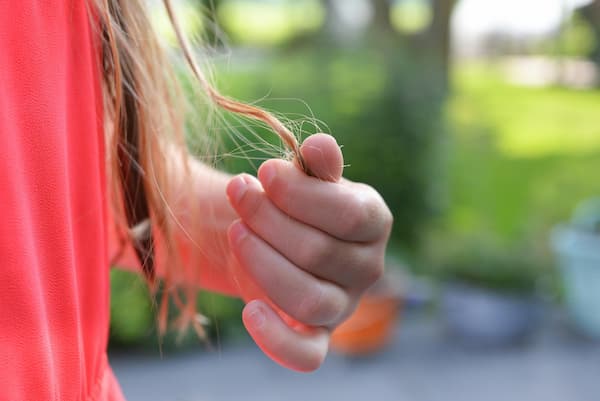
Just like skin health, hair health is closely linked to diet. For healthy, dense, and strong hair, here are the 2 pollens to focus on. And we'll tell you why!
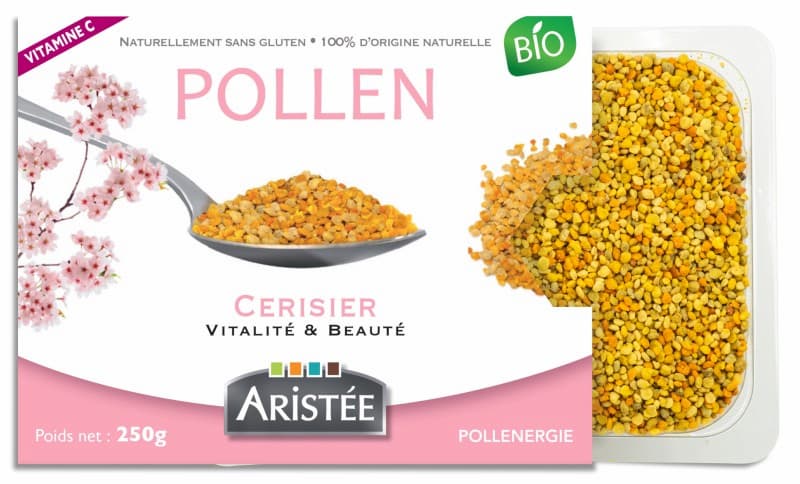
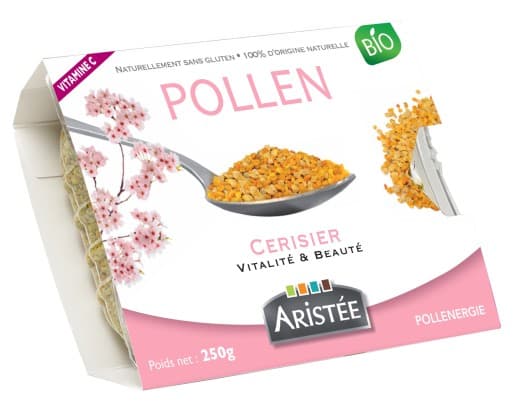
Cherry Pollen
It is rich in zinc, a powerful antioxidant that contributes to hair growth. A deficiency in this trace element can be a factor that promotes hair loss and a dry scalp.
B vitamins are our best allies for supple, shiny, and fully healthy hair. Becoming more resilient, the hair falls out less and grows faster.
Fresh frozen cherry pollen is not only rich in vitamin B2 (riboflavin), which acts on hair loss and helps fight against greasy hair, but also in vitamin B3, which stimulates hair follicle renewal by activating blood circulation at the root. By slowing down the degeneration of scalp cells, the latter helps fight against dandruff.
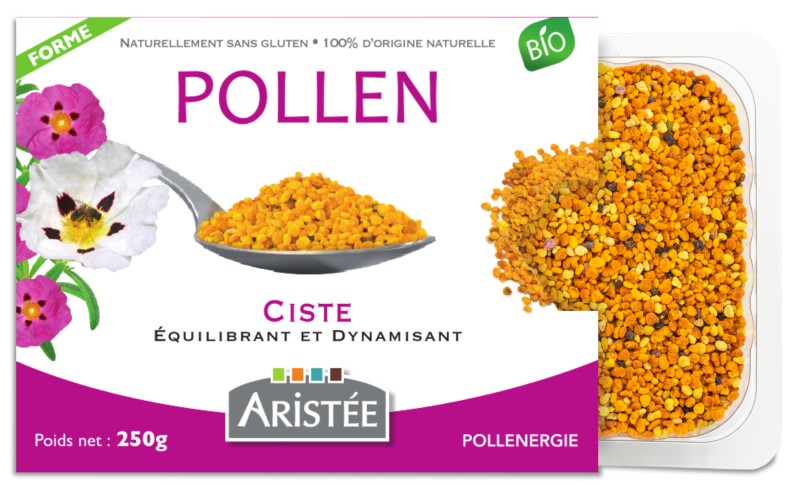
Cistus Pollen
We already knew that our intestinal microbiota, made up of billions of bacteria and often referred to as the "second brain," played an important role in overall health and skin quality. A study published in the journal Cell Reports shows that our gut flora could also play a role in hair loss. Japanese researchers suppressed the intestinal microbiota of mice using antibiotics.
They noted that the mice then suffered from a deficiency in vitamin B8 (biotin) and began to lose their fur. This was not the case for mice that kept their intestinal flora. The scientists concluded that certain bacteria in the microbiota participate in biotin production and therefore, indirectly, prevent hair loss.
Cistus pollen is the only product that revitalizes both the intestinal mucosa and flora, thanks to a synergy between a complex microbial system and a set of antioxidant micronutrients. It all works because the microflora of the frozen pollen and its micronutrients are "living".
By providing vitamin E and carotenoids, cistus pollen helps strengthen these junctions, promoting a competent selective barrier, which also allows us to better benefit from the precious micronutrients in our diet and achieve better toxin elimination.
Fresh cistus pollen is ideal for nourishing the intestinal microbiota and strengthening our intestinal barrier. The perfect combination to support the synthesis of vitamins, particularly those of the B group. Its high carotenoid content also helps make hair healthier, thicker, and shinier.
Hair is made up of proteins, so their presence in the diet is important to avoid having overly dry or brittle hair. Protein intake is also particularly important against hair loss; however, both of these pollens contain an average of 15% protein and will contribute to optimizing this plant-based protein intake.
LACTOFERMENTS + CAROTENOIDS + VITAMIN E = action on the intestinal flora and barrier for a better synthesis of B-group vitamins, leading to a direct impact on the quality of the hair and scalp.
CAROTENOIDS= thicker and shinier hair
ZINC= hair growth, slows down hair loss, and prevents dry scalp.
VITAMIN B2 = action on hair loss and against greasy hair
VITAMIN B3 = stimulates hair follicle renewal
The ideal approach is to start with 3 weeks of cistus pollen to rebalance the intestinal flora, which will maximize the effects of the second pollen, cherry, over the following 3 weeks. Take one tablespoon per day in the morning during breakfast, preferably with fresh fruit or a fruit compote. Our tip: add a small source of healthy fat (flaxseed oil, hazelnuts, almonds…) to better absorb the carotenoids.
 Français
 English