Les frais de livraison sont offerts à partir de 65 € d'achat pour la France métropolitaine. Livraison en Point Retrait à La Poste, en relais Pickup ou en consigne sous 48h.
Childhood and adolescence are periods of life that are not uniform. This means that, physiologically, the body goes through a series of phases of rapid and slower growth. It is during this period that children must develop both physically and mentally.
Significant Nutritional Needs
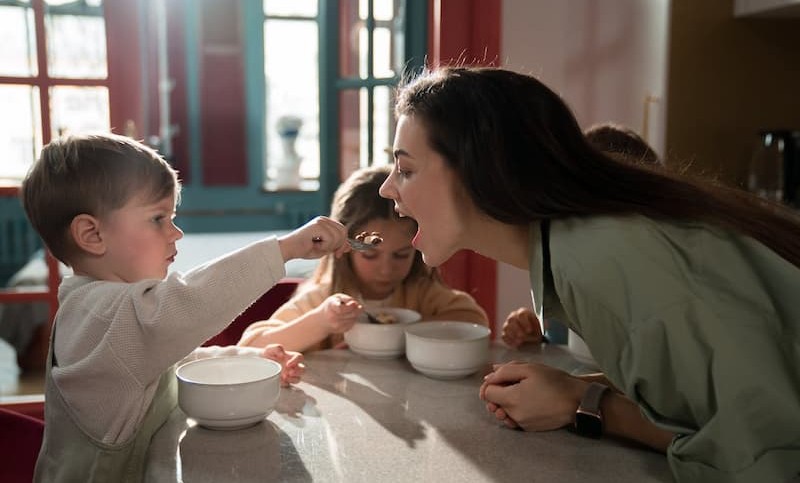
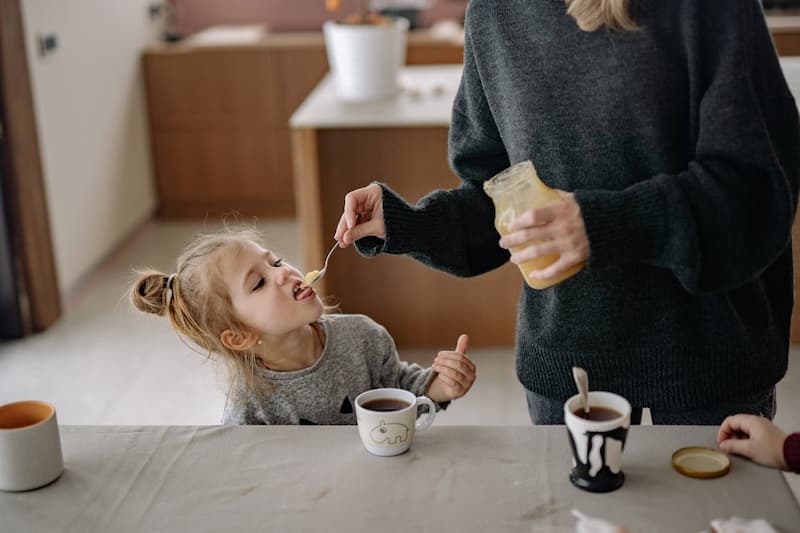
The energy needs resulting from children's development must take into account the growth rate associated with age and the numerous activities related to the learning process, both intellectual and physical. It is widely accepted that breakfast is an important meal because it must cover at least 25% of the total energy intake and the associated micronutrient requirements.
"Of the children who eat breakfast, only 30% consume a truly complete meal"
The results of the French nutritional survey conducted by CREDOC reveal that only 75% of children under the age of 11 eat breakfast every day. This figure drops to 60% for 11-14 year olds. Of the children who do eat breakfast, only 30% consume a "complete" meal including a cereal product, a dairy product, a piece of fruit, and a hot or cold drink. As a result, school-aged children have intake levels of vitamins, minerals, and micronutrients below the recommended dietary allowances. According to numerous studies, eating breakfast promotes learning and memorization processes.
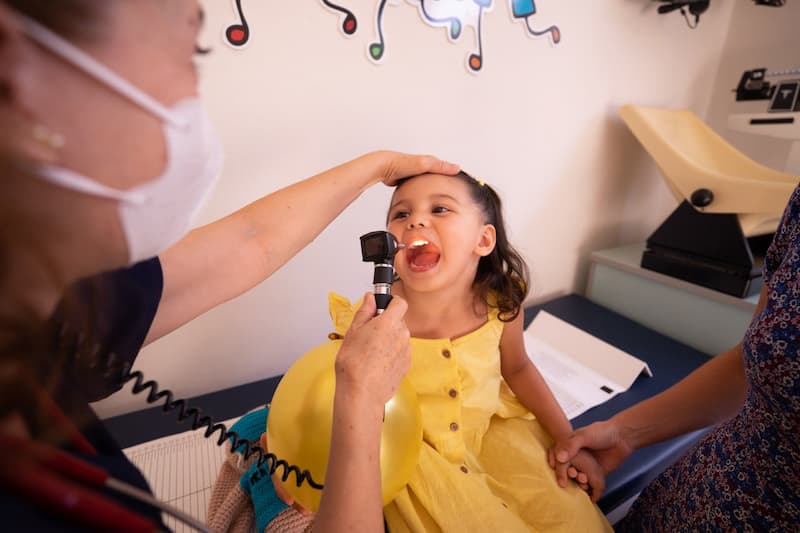
At the same time, during this period of life, children visit their doctor an average of more than 1.6 times per winter for ENT infections such as nasopharyngitis, otitis, or tonsillitis. While these infections are most often benign, they have direct and indirect consequences on an individual, social, and economic level: school absenteeism, parental leave from work, medical costs… They also have repercussions on children's health. This results in an increased, and sometimes inappropriate, use of antibiotics, which can lead to greater resistance of infectious agents and a weakening of the intestinal system, our first line of defense.
Nourishing the Microbiota with Fresh Pollen
Our gut is lined with bacteria (the intestinal microbiota) that contribute to the development of the digestive tract, participate in nutrient digestion processes, produce essential derivatives for our metabolism (volatile fatty acids, vitamins B9, K…), and play an important role in immunity. In fact, 70% of immune cells are located along the digestive tract. Our gut, and above all its proper functionality, is fundamental to growing up healthy. It is the primary organ responsible for ensuring the proper assimilation of all nutrients from the food bolus, which are essential for the body, while also maintaining close, effective cooperation with the immune system.
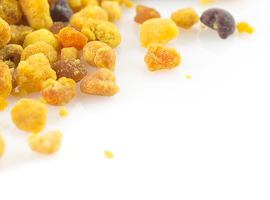
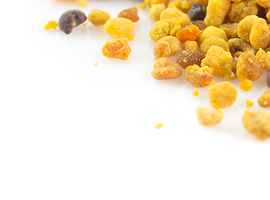
Fresh pollen provides children and adolescents with all the elements that allow them to preserve and maintain the proper functionality of their microbiota and work closely with it to fight pathogenic invasion through a barrier effect (mucus secretion) and through cooperation with the underlying immune system. Among these elements, you will find bee-specific lactic ferments with a "probiotic effect", fibers, vitamins, magnesium, phosphorus, iron, zinc, selenium, proteins, all essential amino acids, as well as antioxidants.
Benefits of Hive Products for Children
The consumption of honey, with its antibacterial potential against germs in the aerodigestive tract, can also contribute to helping their immune system. Finally, propolis possesses immunomodulatory activity across all immune cells.
Pollen, honey, and royal jelly are valuable sources of vitamins and minerals. It is well recognized that deficiencies in zinc, selenium, or vitamin E have negative impacts on the effectiveness of the immune system and contribute to inflammatory processes. Vitamins C and B9 are closely linked to the synthesis of neurotransmitters involved in the processes of motivation, sleep, memorization, and learning.
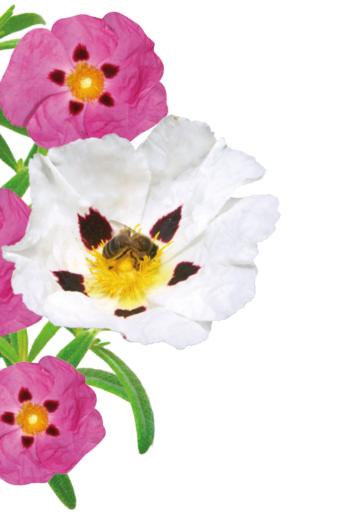
We also know very well that childhood and adolescence are the periods when minor bone traumas occur most frequently. If there is no history of hormone-dependent risk in the family, these periods of convalescence can be accelerated by a course of royal jelly (lasting 20 to 40 days). By improving calcium deposition in the bones, the consumption of cistus pollen also allows for a much faster recovery.
When to give beehive products to children?
At what age can you give honey?
Honey must not be given to children under one year of age. The main risk is infant botulism, a rare but serious illness that can affect infants. Spores of the Clostridium botulinum bacteria can be present in honey, and the digestive system of very young children is not yet mature enough to eliminate them.
At what age can you give pollen?
Fresh frozen pollen can be given to children as soon as they have a sufficiently varied diet and a mature intestinal flora: generally around the age of 2. As with any new food, it is important to ensure that the child tolerates it well by starting with just a few pellets over 3 to 4 days, before gradually increasing to 1 teaspoon per day. Mixed into a fruit puree, kids love it! Kidoupollen fortifiant is particularly recommended: the combination of fresh cistus and chestnut pollens provides a complex of essential nourishing, energizing, and protective micronutrients. In case of fatigue, or recurrent colds and nasopharyngitis, a 3-week course is highly recommended.
At what age can you give propolis?
Propolis can be taken from the age of 2. Group environments that foster germ transmission, school fatigue, or repeated antibiotic treatments are all factors that can weaken and degrade children's natural defenses. Propolis is very useful for naturally strengthening their immunity, preventing minor seasonal ailments, and helping them fight off infections, particularly those affecting the ENT sphere. At Pollenergie, we particularly recommend the alcohol-free extra-strong propolis single-dose units.
At what age can you give royal jelly?
As for royal jelly, its stimulating effects are not especially indicated for young children. There is one exception, however! In the event of a fracture, royal jelly could stimulate bone cell growth, which would speed up healing.
Of course, in case of an allergy to any beehive product, taking any other beehive product is contraindicated. We also advise against giving any beehive products to children who present with multiple food allergies.
In conclusion, having adequate intake of macro and micronutrients is essential during childhood and adolescence, which are periods of high metabolic activity. Nutritional surveys have shown that this is unfortunately not always the case. Our capacity to stay healthy, grow physically, and develop intellectually therefore begins with our diet, starting right from breakfast. Adding fresh bee pollen and honey to this meal helps provide energy along with naturally balanced macro and micro-nutrients essential for children's proper development.
 Français
 English