What Is Osteoarthritis?
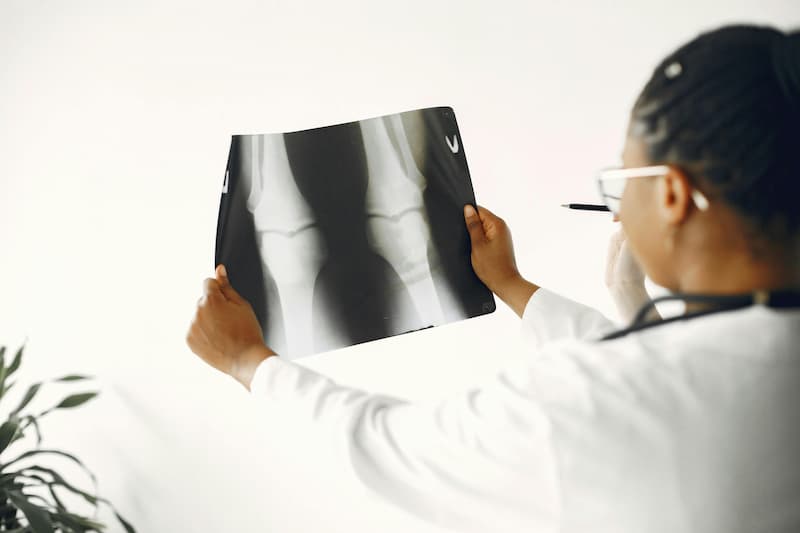
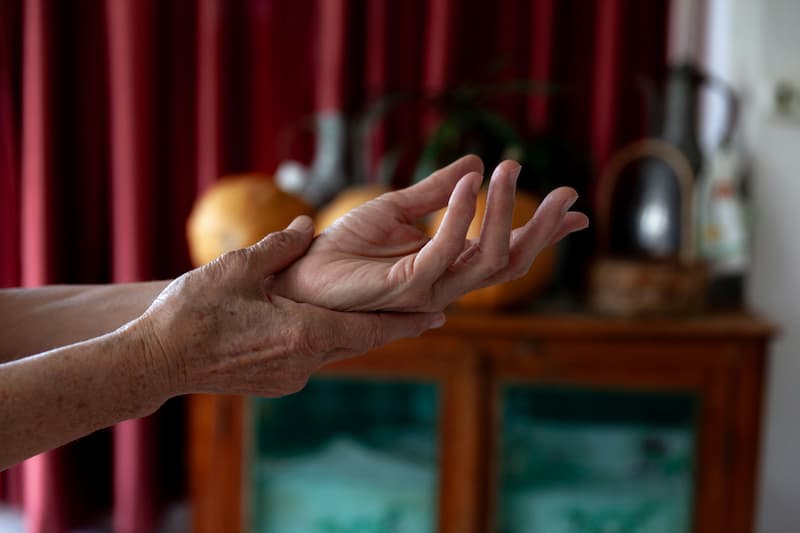
Osteoarthritis is a process of progressive cartilage destruction that extends to all structures of the joint, notably the bone and synovial tissue. Cartilage forms a protective film that lines the bony extremities of a joint and allows them to glide over one another. The very specific composition of cartilage gives it its essential physico-chemical properties to ensure the functions of "allowing bones to glide smoothly against each other" and "absorbing shocks and distributing pressure."
Osteoarthritis is associated with an inflammatory phenomenon characterized by the massive presence of pro-inflammatory molecules that trigger the destruction of cartilage. This occurs through metabolic changes in the cartilaginous tissue via the production of pathological molecules—mainly proteolytic enzymes (metalloproteinases) and free radicals—which induce the degradation of the cartilage matrix.
Propolis Against Oxidative Stress
It is widely known that propolis possesses strong antioxidant activity capable of limiting oxidative stress. However, there are also numerous in vitro and in vivo studies on the anti-inflammatory and analgesic action of propolis. These studies have demonstrated that this anti-inflammatory effect occurs through the inhibition of molecular signals, pro-inflammatory molecules, or nitric oxide (NO)—all of which are involved in osteoarthritic pathology via the secretion of pro-inflammatory molecules.
One study showed that the intraperitoneal injection of propolis effectively prevented cartilage fissures more efficiently than diclofenac, a non-steroidal anti-inflammatory drug. In this study on a rat arthritis model, propolis reduced the level of pro-inflammatory molecules and normalized nitric oxide levels.
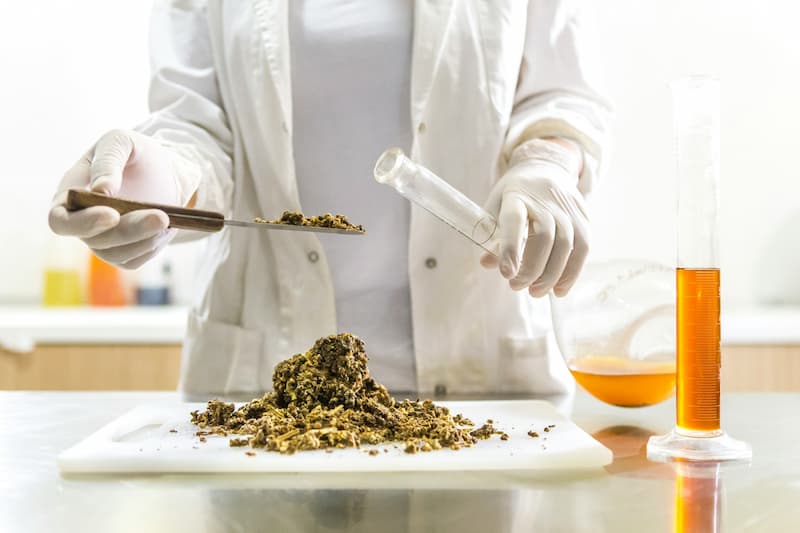
Another in vitro study conducted on human cartilage and isolated chondrocytes (the cells responsible for cartilage synthesis) stimulated with pro-inflammatory molecules showed that propolis was able to reduce NO production, lower the release of the building blocks of cartilage (glycosaminoglycans) into the culture medium, and limit the inhibition of cartilage tissue synthesis. Other studies have shown the ability of propolis to inhibit the activity of extracellular matrix-degrading enzymes (metalloproteinases).
Finally, propolis seems capable of acting on the second area of research, namely the stimulation of cartilage or bone. Indeed, studies have shown that propolis extracts were able to stimulate the synthesis and accumulation of type I collagen and proteoglycans, which are found in the structures of bone and cartilage, respectively.
Benefits of Pollen and Royal Jelly for Osteoarthritis
Among other hive products, fresh pollen—due to its high concentration of antioxidant molecules—can help combat the inflammatory process. A study on an animal model of arthritis showed that consuming fresh cistus pollen helped reduce edema, the arthritis score, and serum levels of inflammatory factors. It also appears that taking royal jelly can stimulate the formation of type I collagen, as well as other activities related to bone formation.
In conclusion, it appears that propolis, as well as pollen or royal jelly, due to the presence of specific constituents, are good candidates for effectively combating the inflammatory process involved in osteoarthritis and helping the resynthesis of damaged tissues.
 Français
 English