Les frais de livraison sont offerts à partir de 65 € d'achat pour la France métropolitaine. Livraison en Point Retrait à La Poste, en relais Pickup ou en consigne sous 48h.
Bee products are invaluable for our immune system and overall well-being and have been used for thousands of years as a general treatment, a therapeutic regimen, or a curative remedy. The book *Cancer: A Support System That Changes Everything* by Drs. Alain Dumas and Eric Menat highlights the beneficial properties of apitherapy in supporting intensive treatments.
Benefits of Propolis in Conjunction with a Medical Treatment
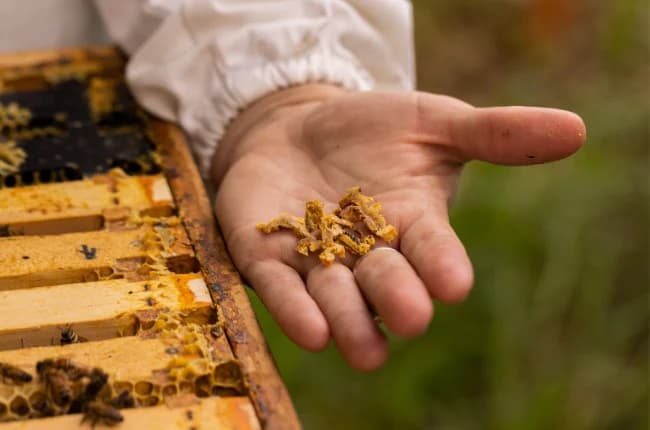
A major natural remedy, propolis is crafted by bees from resinous substances gathered from certain plants to protect the hive from environmental microbes.
Numerous scientific research studies have confirmed the antimicrobial, antiviral, and antifungal activities that make propolis a choice product for fighting many infections, hence its nickname "natural antibiotic". Chemical antibiotics have the disadvantage of destroying the intestinal flora and considerably weakening immunity. There is increasing talk of "germ resistance to antibiotics", yet propolis is a complex natural substance with endless variations in its composition, which limits potential adaptations by pathogenic germs. Propolis can also be taken as a preventive measure against the risks of nosocomial infections before surgery.
Propolis, an Effective Ally During Chemotherapy
Propolis has a rightful place during chemotherapy due to the following properties:
A natural "antiseptic" effect, useful for protection when white blood cell counts drop too low or when chemo treatments take place in the middle of winter.
An immunostimulant effect. Studies have shown that taking propolis helps limit the drop in white blood cell counts during chemotherapy.
Support for red blood cells, which is moderate, but it is one of the rare natural products to have demonstrated this effect.
A potential anticancer effect. Studies show that propolis could have a positive effect on certain types of cancer.
Propolis has no side effects and does not interact with allopathic treatments. Some sensitive individuals may experience heartburn, but this is quite rare. On average, it is used at a dose of 4 to 6 capsules of 200 mg of propolis per day. The dosage will depend on the patient's weight, but also on the chemo protocol.
Pollens for Support
The intestinal flora is severely disrupted by chemotherapy and its associated treatments (cortisone, antibiotics…). However, research by INSERM has shown that chemotherapy is less effective when the flora is of poor quality. In the vast majority of cases, you can take probiotics without risk. They have proven their role in the quality of our immune defenses and improve transit and intestinal comfort.
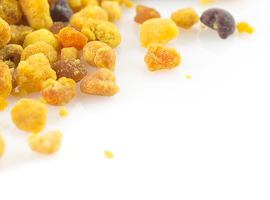
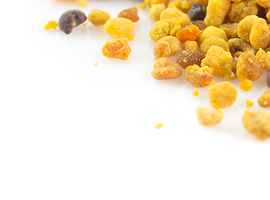
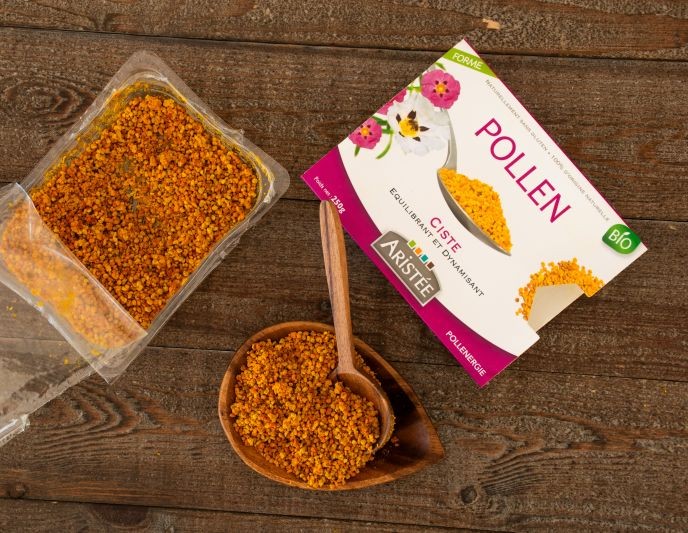
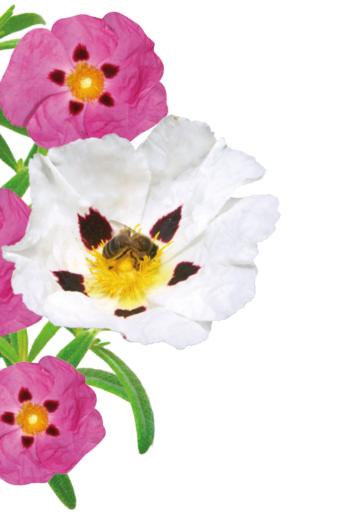
Freshly preserved cistus pollen is the pollen richest in lacto-ferments. Combining the prebiotic action of fibers with the probiotic action of lactic ferments, which provide friendly bacteria to the intestinal flora, cistus pollen constitutes an excellent symbiotic. 60 to 70% of the immune system is located around the intestinal system. Consequently, improving the digestive system leads to an improvement in natural defenses.
The presence of vitamin E and carotenoids protects the intestinal mucosa from inflammatory phenomena and thus reinforces its action. Fresh frozen cistus pollen is also a source of selenium. This essential trace element contributes to the normal functioning of the immune system.
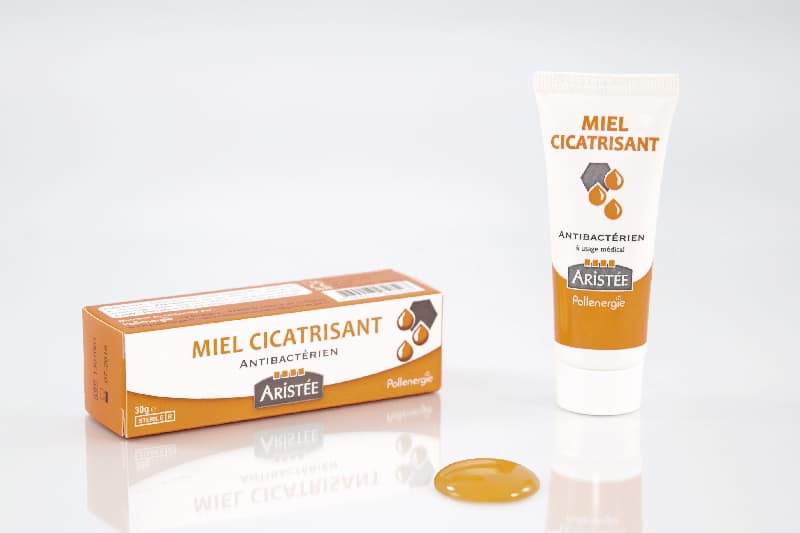
Honey is a natural product, and there are many varieties of it. Regardless of its floral origin, honey has been known for centuries, if not millennia, as not only a nutritious product but also one that promotes the healing of wounds or tissue damage.
Numerous scientific publications highlight the benefit of honey in managing wound healing, as well as burns, parietal necrosis, and radiation-induced skin lesions. Honey provides high-quality healing in the majority of cases managed. It has a proven antibacterial action and has never, to date, triggered any resistance phenomenon, unlike the more generally used antibiotics.
Finally, on an economic level, honey represents an advantageous option due to its cost and speed of healing. Note that for major wounds or in vulnerable individuals, it is essential to ensure that it is a sterile medical device. Honey, even if organic, can still be a vector for bacterial contamination!
 Français
 English