Les frais de livraison sont offerts à partir de 65 € d'achat pour la France métropolitaine. Livraison en Point Retrait à La Poste, en relais Pickup ou en consigne sous 48h.
When it comes to natural defenses, it all comes down to our body’s condition! At the heart of the matter is our immune system and its ability to fight off infection. This plays a decisive role in how our bodies are affected. Using bee products with a high concentration of active ingredients can help protect us from the flu, gastroenteritis, and other winter illnesses.
How the Immune System Works
The immune system is a functional rather than an anatomical system, made up of a coordinated network of recognition and defense elements targeting foreign bodies. "If you are not with me (the self), then you are against me (the non-self)." This is the principle that our natural defenses constantly put into practice. Whatever is recognized as "non-self", rightly or wrongly (as in autoimmune diseases), is destroyed. This applies to pathogens (bacteria, viruses, fungi, parasites), tumor cells, or virus-infected cells, for instance.
To ensure our resistance to diseases, our immunity relies on 2 intrinsic defense systems:
1. The non-specific (natural or innate) defense system is always ready to react within minutes through 2 lines of defense. The first is provided by intact skin and mucous membranes, and the second, mobilized when there is a breach in the first, involves macrophages, natural killer (NK) cells, and antimicrobial proteins. This second line of defense is coupled with inflammation.
2. Then comes the adaptive (or specific) defense system. Its reactions take much longer to set up, but the response is specific to a foreign substance and more intense. This system involves, on one hand, humoral immunity through B lymphocytes, which travel through the blood and all body fluids to encounter foreign agents, and on the other hand, cellular immunity through T lymphocytes, which recognize cancerous or infected cells.
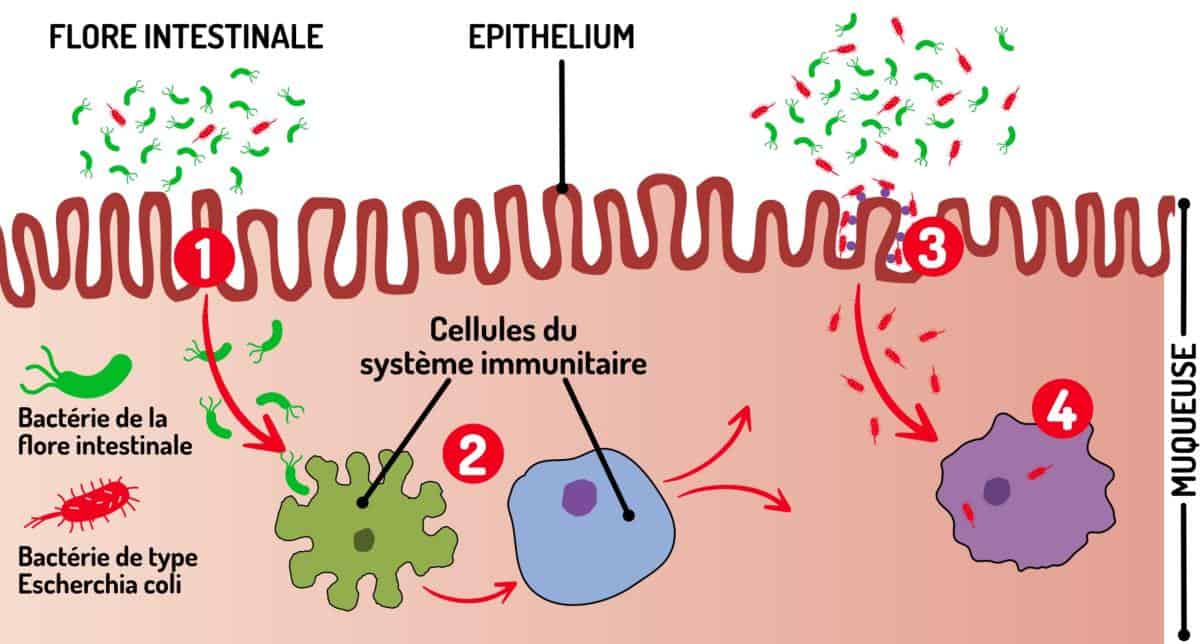
The structures of this immune system rely on an impressive array of chemical molecules and immune cells located throughout the lymphoid tissues (spleen, thymus, bone marrow, lymph nodes) and circulating in all the body's fluids. Note that 60 to 70% of these immune cells are located around your intestines, which constitute the primary entry route for pathogens.
Benefits of Fresh Pollen for Immunity
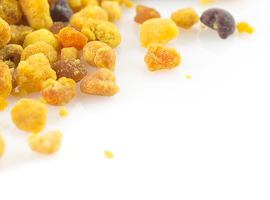
A flora of bifidobacteria and lactobacillus is found in all pollens preserved in a fresh state. The latter are raised by bees on the nectar inside the hive. Before leaving to forage, they fill their honey stomach with nectar and regurgitate it to moisten the pollen pellets. The ferments present in the nectar will thus inoculate each pellet.
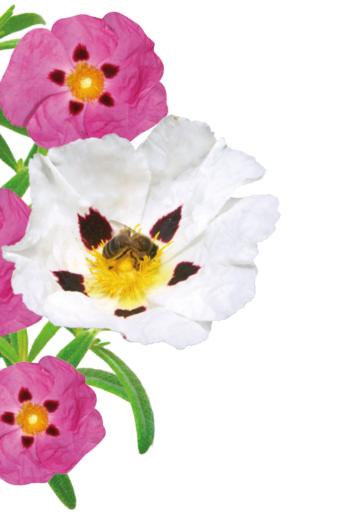
As our body's first line of defense is the intestinal mucosa, consuming fresh cistus pollen - since drying the pollen causes the disappearance of all the ferments introduced by the bee - helps guarantee the functional integrity of this mucosa and works closely with it to fight pathogen invasion through a barrier effect via mucus secretion. This prevents the risks of dysbiosis, which is responsible for intestinal conditions, severe fatigue, and weakened immunity.
In cases of intestinal permeability, the tight junctions between intestinal epithelial cells become loose, allowing large, unwanted molecules to enter the body. As a result, there is a significant risk of developing a variety of disorders, including immune dysfunction, inflammation, musculoskeletal problems, and allergies.
Propolis to Improve the Immune Response
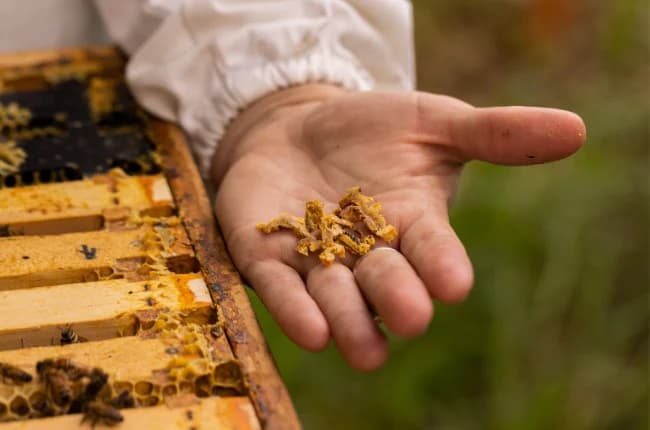
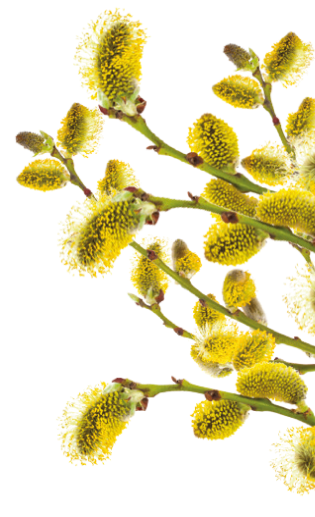
A quick definition of propolis would be to say that it is a resinous substance collected by worker bees from tree buds to seal and sanitize the hive. However, this definition does not do justice to the complexity of this substance, whether in terms of its origin, its production method, its composition, and consequently, its benefits for humans.
The biological (or therapeutic) properties of propolis are mainly due to the presence of this polyphenolic fraction, and more particularly to certain flavonoids. The documented and proven effects of propolis are quite numerous, including:
Propolis is not an isolated molecule but a complex substance containing many molecules originating specifically from a particular plant. It exerts its antimicrobial potential directly on pathogens by weakening their membrane or by limiting their ability to adhere to mucous membranes. Once assimilated, propolis quickly stimulates the destruction capacity of macrophages against various pathogens (bacteria, viruses, fungi, parasites) and natural killers against infected or tumor cells.
Propolis also acts on the second line of defense via pro-inflammatory chemical molecules that strengthen cooperation between T and B lymphocytes and stimulate antibody production. In cases of allergies where the immune system goes into overdrive, taking propolis has proven effective for rhinitis, for example, by inhibiting the release of histamine, or for asthma, with a reduction in pro-inflammatory molecules and an increase in anti-inflammatory molecules, resulting in an improvement in patients' ventilatory functions.
During times of increased vulnerability, it is important to opt for propolis in liquid form. Unlike capsules, hydroalcoholic propolis extract (mother tincture) forms an active protective barrier on the throat’s mucous membranes and strengthens the body’s overall immune response.
Prophylactic Effect
This point is crucial! Propolis given as a preventive measure will allow for a better defense once the infection sets in. Its protective effect will be amplified. It will prepare the body by exerting an immunostimulating effect. This effect is dose-dependent. It is therefore important to absorb a sufficient quantity of polyphenols to guarantee it.
Antiviral action
Against influenza viruses, certain flavonoids specific to poplar propolis have an anti-neuraminidase action (observed in vitro) and prevent the spread of virions by preventing the infestation of our healthy cells. The liquid form is essential for the active ingredients of propolis to be in direct contact with pathogens.
Antiviral action
Against influenza viruses, certain flavonoids specific to poplar propolis have an anti-neuraminidase action (observed in vitro) and prevent the spread of virions by preventing the infestation of our healthy cells. The liquid form is essential for the active ingredients of propolis to be in direct contact with pathogens.
 Français
 English