A person is considered constipated when they meet at least two of the following three criteria:
- Having a bowel movement less than three times a week
- Producing stools that are too hard
- Having to strain to pass them
There are generally three types of constipation: occasional, often linked to travel; secondary, caused by a pathology or medical treatment; and chronic constipation. The latter can result from genetic predispositions or a certain intestinal sluggishness, but it is frequently exacerbated by a lack of fiber and hydration. In the majority of situations, adopting simple, common-sense dietary and lifestyle rules is enough to durably restore regular bowel movements.
Nurturing your microbiota
The colon microbiota of constipated individuals is poorly diversified and less rich in protective bacteria. It is therefore important to regularly provide it with probiotics and prebiotics, beneficial living microorganisms that enrich the intestinal flora, nourish it, and rebalance it.
Prebiotics in particular are very interesting. This substrate, which is indigestible by humans, will help nourish intestinal bacteria. They stimulate the growth of protective bacteria and the formation of short-chain fatty acids like butyrate, which plays a key role in intestinal health.
Eating more fiber
For the transit to be regular and advance gradually to the rectum, it is essential that the food bolus has sufficient volume and the correct consistency. This is where fiber comes into play! There are two kinds: soluble fiber and insoluble fiber. They provide different benefits for intestinal health.
- Insoluble fiber helps maintain bowel regularity.
- Soluble fiber dissolves in water to form a gel. It helps firm up loose stools or soften solid stools.
The daily intake of soluble and insoluble fibers should represent 30 to 35 g. Unfortunately, the modern diet is too low in fiber. It is therefore essential to add vegetables, fruits, whole grains, nuts and seeds to the menu... But also frozen pollen!
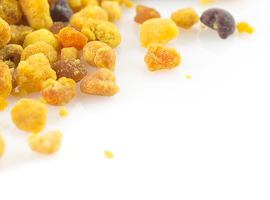
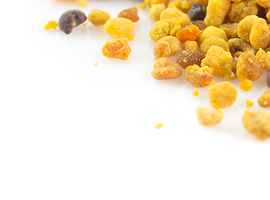
Fresh frozen pollens are foods harvested by bees that combine fibers, prebiotics, and probiotics. This combination facilitates the development of a balanced intestinal flora and offers a slight laxative effect, or at the very least, regulates intestinal transit.
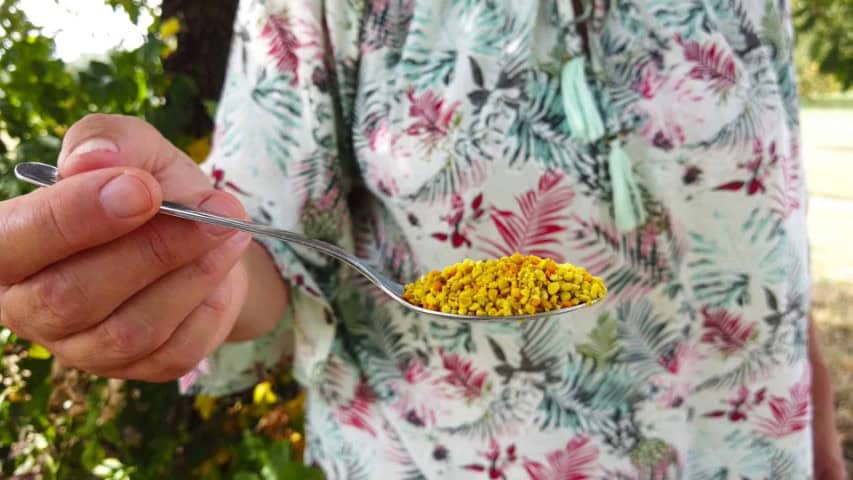
A tablespoon of fresh pollen every morning can only improve digestion and intestinal comfort in the medium and long term. To help you choose which pollen is best for you:
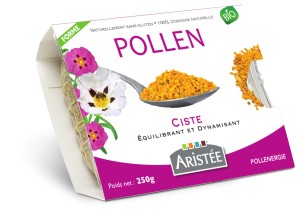
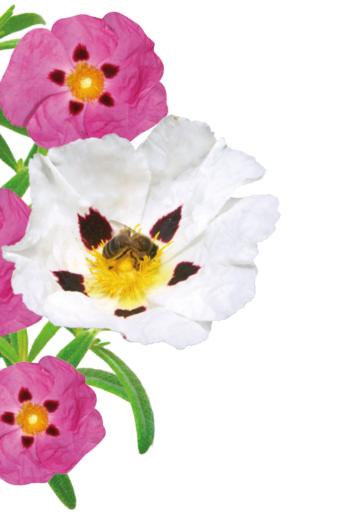
If you suffer from intestinal dysbiosis, choose rockrose pollen.

If you want to add more fiber and prebiotics to your diet, opt for heather or chestnut pollen.
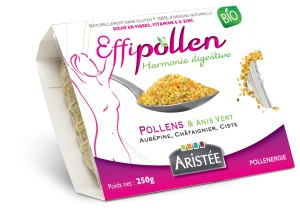
If your constipation is accompanied by bloating, try Effipollen Digestive Harmony with green anise.
For chronic constipation, fresh-frozen pollen is an excellent remedy. It works at a deep level to restore and stabilize the body’s internal balance. The recommended course of treatment should last at least 3 months, which is equivalent to 4 250-gram containers, taken at a rate of one to two tablespoons per day, preferably with breakfast. You can alternate the floral sources (see above) depending on your priorities. The nutritional and herbal advice provided in this article is compatible with taking pollen.
Drink enough water
Fiber is good, but it doesn’t do much good if you don’t drink enough: at least 1.5 liters a day, whether in the form of water, herbal teas, or broths, alternating between low-mineral-content water and magnesium-rich water.
Taking care of your liver to improve your transit
Excerpt from the website www.christophervasey.ch
The importance of bile
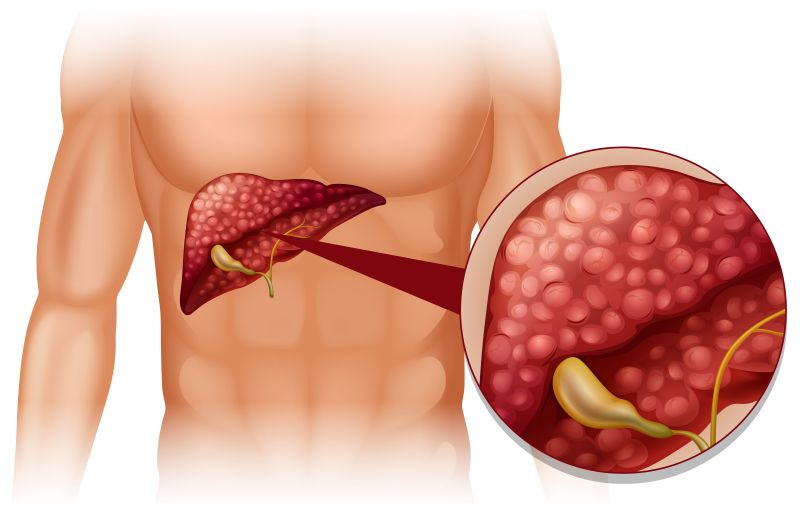
Among its many functions, the liver's role is to purify the blood of the waste it carries. It then secretes this waste into a viscous liquid: bile. Bile is primarily known for its action in the digestion of fats. It emulsifies them, meaning it reduces them into very small droplets, which will then be broken down by the enzymes in pancreatic juices. However, the action of bile does not stop there. It also stimulates intestinal transit.
Bile stimulates intestinal peristalsis (the contraction of muscle tissue that moves and breaks down food). Due to its composition, bile stimulates the sensory nerves located in the intestinal walls. These nerves then signal the peristaltic muscles to begin contracting. The mere presence of bile in the intestines therefore activates intestinal contractions and promotes the movement of food through the digestive tract. In other words, without bile, no signal would be sent.
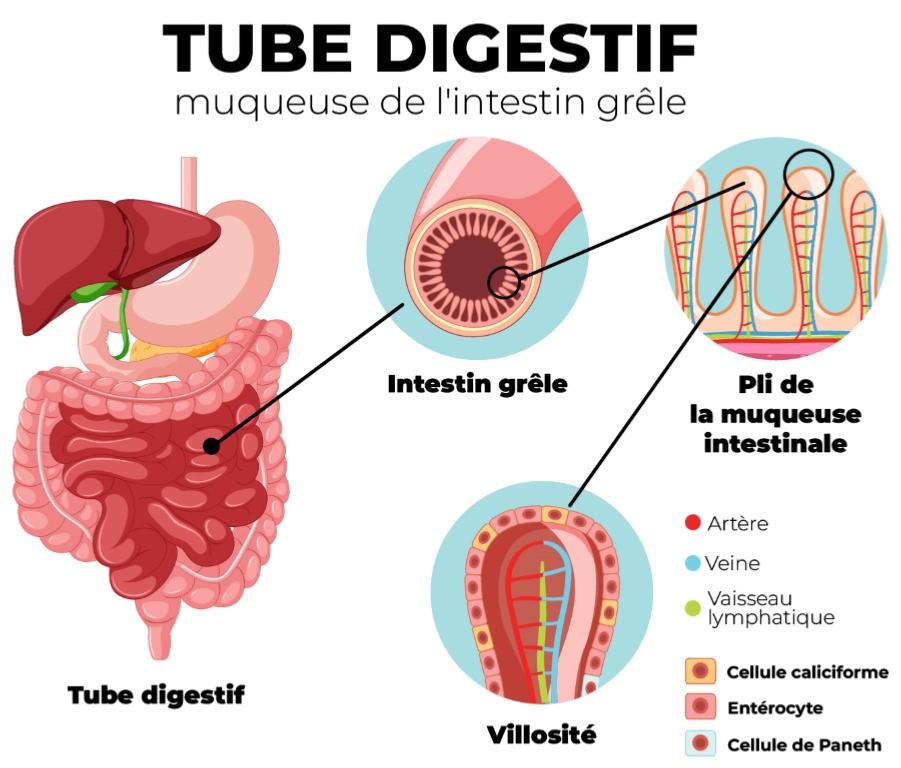
Another property of bile is its ability to lubricate the intestines. The intestines are sometimes compared to a long tube, so we imagine that their walls are smooth like those of a pipe. But this is not the case! They do not have a flat, smooth surface. The mucous membranes of the small intestine are made up of a multitude of folds, called intestinal villi. These folds give the walls a wrinkled and uneven appearance, which slows down the free progression of matter. Bile has a smooth consistency that acts in the intestines in the exact same way as oil in a car engine. However, just as an engine can only function properly if it has enough oil and of good quality, the intestines will only move matter forward if they contain enough bile and, moreover, bile of good quality.
The link between constipation and the liver
A healthy liver secretes 1 liter of bile daily, which progresses with food through the intestines. It settles on their walls and lubricates them due to its oily nature. Bile greatly facilitates the progression of matter pushed forward by the contraction of peristaltic muscles. Here, there is an effective collaboration between bile and peristalsis to guarantee good intestinal transit.
In people with a sluggish liver, the amount of bile produced is not sufficient to properly lubricate the intestines. Stools progress poorly and with difficulty because the peristaltic muscles alone cannot move the matter forward. Furthermore, by stagnating for too long, they harden and become sticky. Result: constipation sets in.
Constipation: Natural Options
Cholagogue plants (which trigger biliary flushing to evacuate bile into the intestine) and choleretic plants (which stimulate bile production) will facilitate the transport and evacuation of waste. The classic combination of artichoke and black radish (in standardized plant extracts) yields good results. Rosemary is also highly recommended, taken for example as an infusion with 2 to 3 cups per day.
The liver is the warmest organ in the body. Its temperature lies between 39°C and 41°C. While this is a result of its activity, it is also the temperature the liver needs to function properly. A loss of heat in the hepatic gland due to fatigue and weakening reduces its capacity to work.
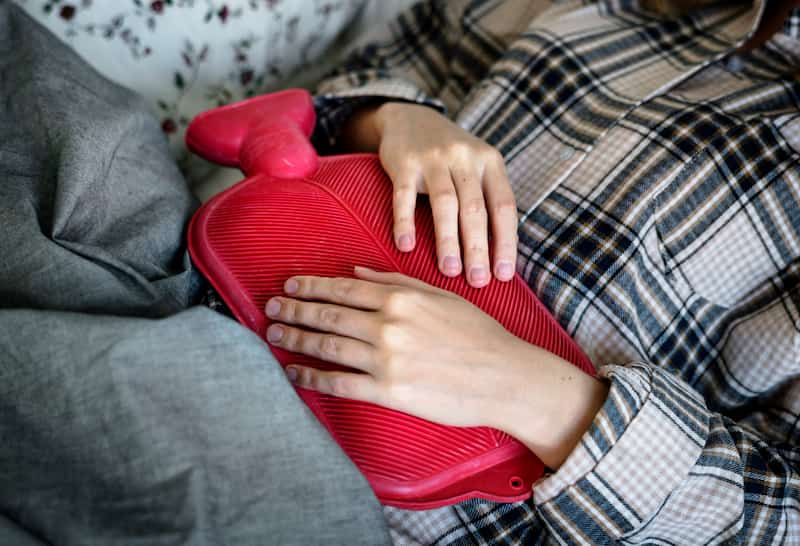
To combat hepatic insufficiency, nothing beats applying a hot water bottle to the liver. The liver thus receives the heat it needs to work actively. The temperature of the liver rises, and its functioning, previously slowed down, returns to its normal rhythm and even intensifies.
Can pollen cause diarrhea or constipation?
Fresh frozen pollen is considered a true living "super-organism," combining probiotic ferments and prebiotic fibers to balance the intestinal flora and regulate digestive transit. To optimize its assimilation and avoid temporary discomfort such as bloating, it is recommended to consume it during a meal, ideally at breakfast. Although slight adjustments to transit may occur at the start of the course due to the product's detoxifying effect, these reactions simply reflect an internal cleansing process necessary to restore a lasting balance.
In case of stubborn constipation, here is a highly effective recipe shared by Dr. Jean-Christophe Charrié in the book Mes Remèdes Phyto and on the Métamorphose podcast.
The evening before, place 3 to 4 Agen prunes and the chicory in a large bowl. Add simmering water and let it rest overnight. The next morning upon waking up, eat the prunes. Strain the decoction and reheat it before drinking.
- The prune is the "Rolls Royce" of laxative foods! It provides soluble and insoluble fibers in equal amounts. This combination acts gently on the intestines: it softens the stool, hydrates it, and stimulates intestinal activity.
- Chicory root stimulates bile production and protects the liver. It contains a well-known, excellent prebiotic: inulin! This water-soluble fiber promotes healthy colon flora, especially Bifidobacteria (bifidogenic properties), and improves transit.
SOURCES:
- The Terre Vivante Guide to Gut Health – Dr. Martine Cotinat – Terre Vivante Publishing
- The Discreet Charm of the Intestine – Giulia Enders – Actes Sud
- Foods That Treat Constipation – Dr. Éric Ménat – Thierry Souccar Editions
- My Herbal Remedies – Dr. Jean-Christophe Charrié & Anne Ghesquière – Editions Eyrolles
 Français
 English