Les frais de livraison sont offerts à partir de 65 € d'achat pour la France métropolitaine. Livraison en Point Retrait à La Poste, en relais Pickup ou en consigne sous 48h.
Prevent nutritional deficiencies with fresh pollen
Aging is the result of a slow accumulation of cellular damage caused by a growing inability to repair it. This leads to chronic inflammation, which accelerates the aging process. A healthy diet helps increase the chances of aging in good health. Bee products, particularly pollen, are an exceptional source of protective and nourishing micronutrients that can support older adults in their daily lives.
Importance of Nutrition
While a portion of aging is estimated to be hereditary, so-called secondary aging can be accelerated by disease, but also by diet. Yet, "optimal or adapted" nutrition is one of the most easily accessible modifiable levers of action for preventing "unhealthy aging." A number of critical points have been targeted as factors promoting unhealthy aging:
inflammatory status, a common denominator in many physiopathological processes
insulin resistance, which leads to disruptions in numerous metabolic functions
obesity, a risk factor for unhealthy aging because it is associated with many disorders (diabetes, CVD...)
sarcopenia, a loss of muscle mass that is particularly accelerated in cases of undernutrition. The latter remains the major cause of frailty in the elderly. Numerous epidemiological studies have confirmed that sarcopenia independently increases the risk of being unable to perform activities of daily living by 2 or 3 times.
Providing adapted nutrition therefore remains a strategic approach to combating this state of undernutrition, making it possible to "ensure harmonious aging" on both a physical and mental level.
Beehive products therefore take on full significance in this nutritional strategy, complementing a varied and balanced diet and perfectly meeting the needs of seniors.
Supporting Intestinal Function
As we age, our intestinal microbiota diminishes both in quantity (especially bifidobacteria) and in quality, which no longer provides sufficient protection against infections. This destabilization of the microbiota is directly linked to age-related dietary changes: a decline in dietary diversity and a quantitative decrease in certain categories of products. This leads to a shift in substrate for the microbiota, an increase in medication consumption, and a reduced capacity for bifidobacteria to adhere to the intestinal mucus.
As for intestinal porosity—a disruption of the intestinal system—it contributes to the production of inflammatory messengers. Over time, this weakens immunity, exposes the body to infections, and paves the way for degenerative pathologies such as cancer. When targeted at the brain level, neuroinflammation serves as an open door to neurodegenerative diseases, depression, or sleep disorders.
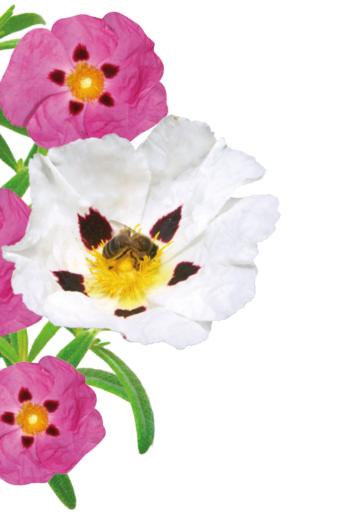
To support the immune barrier, a diet rich in natural probiotics and prebiotics is highly recommended as we age. Cistus pollen is the only product that revitalizes both the intestinal mucosa and flora, thanks to a synergy between a complex microbial system and a set of antioxidant micronutrients. It all works because the microflora and micronutrients in the fresh frozen pollen are "living."
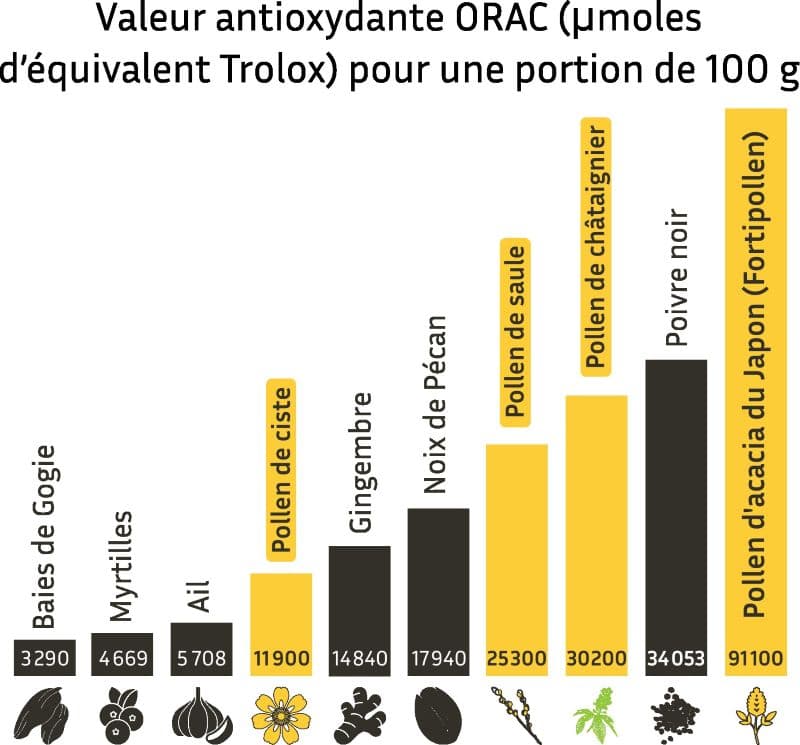
American nutritionists recommend a daily intake of between 3,000 and 5,000 ORAC units (μmolTE/100 g) spread throughout the day to keep oxidative stress in the body in check. A tablespoon of willow pollen provides 3,795 μmol Trolox equivalent! Continuous intake ensures a substantial daily supply of antioxidants to counteract the harmful effects of oxidative stress.
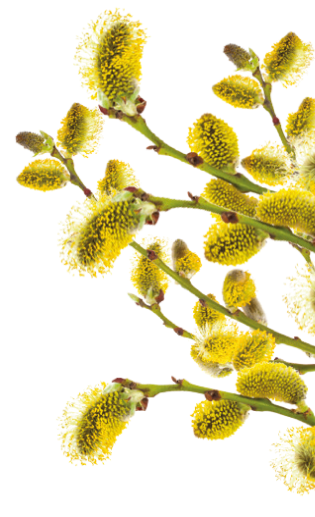
From a therapeutic standpoint, a wonderful synergy of polyphenolic compounds and carotenoids is also found in this pollen. The consumption of fresh willow pollen, which is also known to be rich in zinc and contain lutein and zeaxanthin, could be useful in preventing degenerative eye diseases and prostate inflammation.
Les antioxydants apparaissent comme des alliés essentiels pour préserver son cœur et ses vaisseaux en luttant contre les radicaux libres. Ces derniers sont en partie responsables d’une dégradation de la surface interne des vaisseaux sanguins et des maladies cardiovasculaires comme l’infarctus du myocarde ou l’accident vasculaire cérébral. De très nombreux travaux indiquent que le cholestérol LDL ne devient réellement dangereux que lorsqu’il est oxydé. Il est très sensible à la présence d’oxygène qui le fait "rancir" comme une plaque de beurre. Il provoque alors des réactions inflammatoires qui abîment les parois des vaisseaux et accélèrent la formation de plaque d’athérome. La prise d’antioxydants va améliorer la protection cardiovasculaire en augmentant la résistance du cholestérol à l’oxydation.
Olive leaf is renowned for lowering blood pressure and improves circulation by softening and dilating the arteries. It also promotes diuresis and reduces edema. It is therefore recommended for people suffering from hypertension, or cardiac or renal insufficiency.
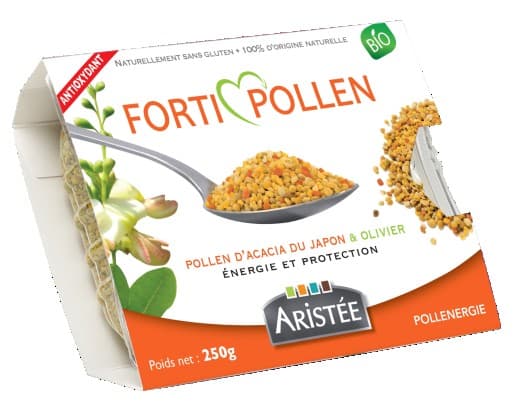
Fortipollen combines the benefits of olive leaves with Japanese Acacia pollen. This preserved nutritional complex, rich in essential micronutrients, helps to fortify and protect the body from the harmful effects of oxidative stress thanks to an exceptional antioxidant capacity: 91,100 μmoles per 100g (ORAC value).
Contributing to Protein Intake
The protein needs of the elderly are different from those of other adults. With age, the body is no longer able to use proteins as efficiently, and a higher protein intake becomes necessary. When this increased need is not met, the result can be a loss of muscle and lean mass, a decrease in antioxidant power, and a weakened immune system. All of these factors are linked to increased risks of illness and frailty.
The wasting of skeletal muscle (sarcopenia) associated with aging affects health in many ways. Muscle acts as a "metabolic sink" by contributing to overall insulin sensitivity. Sarcopenia is one of the leading causes of falls and bone fractures, and it is because of this condition that the elderly very often become unable to perform normal activities of daily living.
Sarcopenia is also a consequence of anabolic resistance. During the normal cycle of skeletal muscle renewal, muscle breakdown is balanced by protein synthesis. Anabolic resistance increases with age, and muscle protein synthesis in response to dietary protein decreases. This leads to a reduction in muscle mass. Lack of physical exercise, inflammation, and oxidative stress can also contribute to anabolic resistance. Increasing dietary protein intake can overcome this anabolic resistance to promote the preservation of muscle mass.
Numerous studies show that the number of undernourished elderly people in institutions or hospitals continues to grow (around 800,000 in France). This protein-energy malnutrition is an aggravating factor for morbidity and mortality. Providing adapted nutrition therefore remains a strategic approach to combatting this state of malnutrition, which would help "ensure harmonious aging," both physically and mentally.
Bee products, particularly pollen, are therefore highly important in this nutritional strategy, complementing a varied and balanced diet, and perfectly meeting the needs of seniors:
With age, dietary intake in the form of meat—a source of protein—is often reduced. The causes of this reduction are manifold: chewing difficulties, loss of appetite, the price of meat, etc. Currently, to address this issue, undernourished patients are advised to consume high-calorie and high-protein drinks. However, patient compliance in taking this type of substitute over a long period is rather low.
When consumed fresh frozen, pollen is a very interesting source of vitamins, minerals, and other antioxidants (carotenoids, polyphenols). But that's not all! It is also a source of bee-specific lactic ferments belonging to the lactobacilli family, which is important for the balance and regulation of intestinal flora. Above all, it is a highly significant source of protein, especially for seniors, whose requirements are slightly higher than those of younger adults (around 1.4g/kg of body weight) to maintain adequate muscle strength and preserve functional autonomy.
Pollens represent a new form of protein intake to fight against protein-energy malnutrition. Indeed, they contribute to partially restoring the activity of Citrate synthase (a key enzyme for energy supply in the cell) and fully and significantly restoring the activation level of S6kinase (an enzyme involved in protein synthesis), proving the highly promising value of supplementing fresh pollens in undernourished elderly individuals.
Contributing to the Revitalization of the Body
Pollens are high nutritional value foods for the elderly thanks to their richness in proteins, minerals, vitamins, fiber, antioxidants, and lacto-ferments. With great nutritional intensity, pollens contribute to immune reinforcement. They support vitality (cistus pollen) and tone, and contribute to good eye health (fruit willow pollen) as well as good cardiovascular health (Fortipollen).
They are rich in B-group vitamins. These play a major role in energy production and the good health of the nervous system. They are the frontrunners in maintaining morale. Their deficiency inevitably leads, in addition to physical problems, to numerous nervous and behavioral dysfunctions.
Cistus pollen is the richest in carotenoids. Regarding ß-carotene: studies have shown better cognitive status, less cognitive decline, or a reduced risk of dementia in subjects with a high consumption of ß-carotene.
Beyond the age of 50, health needs and challenges become specific, and in terms of diet, nutritional concentration becomes an imperative due to lower absorption of nutrients by the digestive system. It is therefore important to progressively shift one's habits toward foods richer in vitamins and trace elements, and to adopt living superfoods like pollens on a daily basis.
Propolis for Support
Aging processes are accompanied by a progressive increase in oxidative stress. This increase, physiologically due to an elevated production of free radicals, is aggravated by a decrease in nutritional intake of antioxidants in older adults.
Meeting the antioxidant micronutrient requirements of the aging individual is, in this regard, one of the nutritional prerequisites for harmonious aging. The increase in oxidative stress results in a higher incidence of conditions such as cancers, cardiovascular diseases, and neurodegenerative diseases.
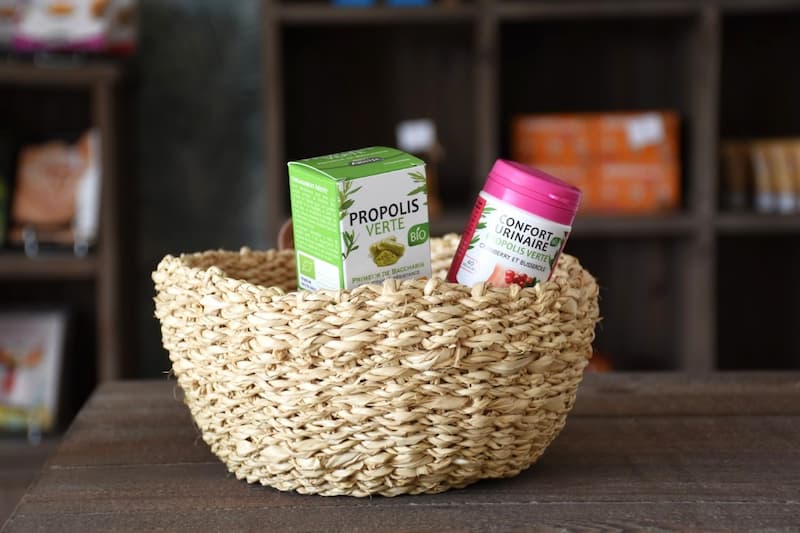
Green propolis is among the most antioxidant-rich dietary supplements in the world.Our Baccharis green propolis capsules are standardized to 40 mg of polyphenols. This richness helps strengthen the antioxidant shield while improving immune defense status for better protection of elderly bodies.
Benefits of Other Hive Products
Honey can advantageously replace sugar because it has a lower glycemic index and, as a result, limits insulin resistance. As for royal jelly (if it is fresh), it is a concentrate of B-group vitamins. It also contains acetylcholine, which is the main neurotransmitter in humans involved in memory and learning processes. In vivo studies have also shown interesting results on the stimulation of bone synthesis, and thus it can fight against osteoporosis.
 Français
 English