Français
 English

Subtotal
€0.00
Checkout
Propolis, the hive's natural antiseptic
Properties and indications
Propolis has many well-known therapeutic properties, including powerful antioxidant and antimicrobial effects, as well as healing, analgesic, and anti-inflammatory properties. However, it is important to ensure that it meets three criteria. Here’s why.
What Is Propolis?
The word propolis comes from the Greek "pro" which means before and "polis" the city. This term describes the strategy of bees that gather resin in front of the hive to reduce its entrance in order to better defend the colony. Propolis is made by bees from three main components: wax, salivary secretions, and resinous substances collected from certain parts of plants. In Europe, it is the young buds of trees such as poplar, ash, or birch that produce these resins.
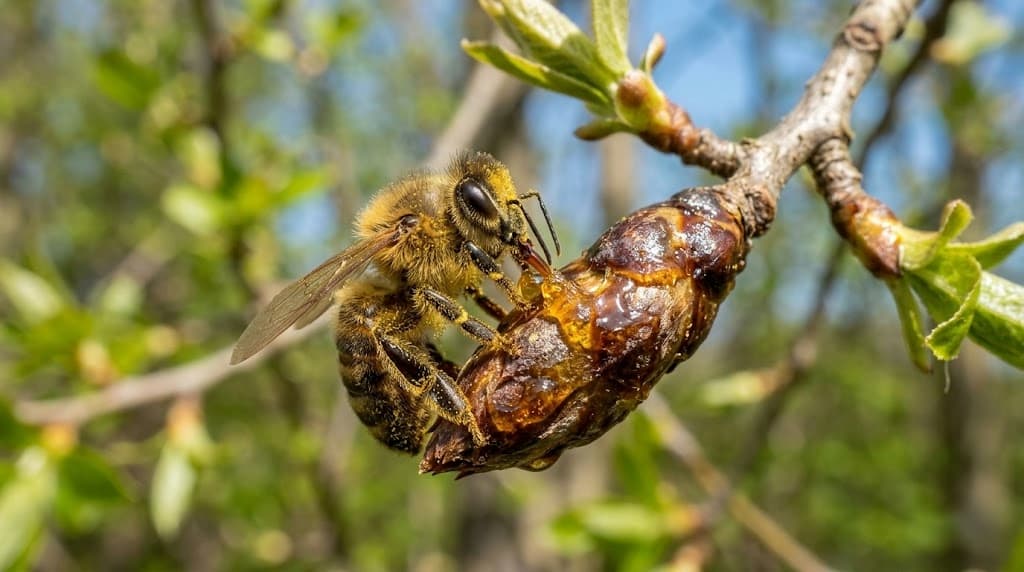
Bees use propolis to caulk and sanitize their habitat. This disinfecting mastic is also used to mummify the corpses of small animals that are too heavy for the bees to remove. This embalming prevents the decomposition bacteria from contaminating the colony.
Propolis consists of 50 to 55% resins and balms, 30% waxes and fatty acids, 10% essential oils, 5% pollen, and 5% organic and mineral substances. Among the latter, there are numerous flavonoids and other phenolic derivatives as well as their esters, minerals (iron, calcium, zinc, copper, manganese), and vitamins (C, E, and B group).
Propolis Quality Criteria
1. The Harvesting Method
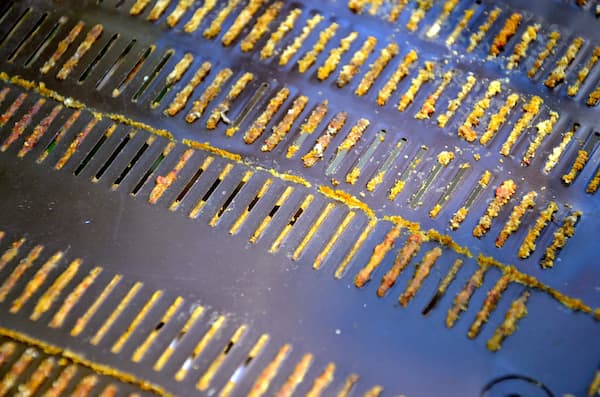
In Europe, two practices exist: scraping propolis and grid propolis. Beekeepers collect propolis either by scraping the hive frames or through the so-called "grid" method. The latter consists of placing grids on top of the hive frames in spring and removing them in September. It yields fresh propolis, rich in active ingredients, non-oxidized, and containing very little waste.
Scraping propolis comes from scraping the frames and contains hive treatment products, wax, and other toxic substances. Unfortunately, it is marketed by various brands. Even in an ORGANIC hive, there are a lot of pollutants in this propolis, and it is even worse if the hive is old. This propolis is only good for throwing away. Is this indicated on the packaging? No, of course not. Those who use scraping propolis do not brag about it!
All of our propolis products are systematically analyzed to guarantee our customers a product free of heavy metals, including those that do not hold organic certification.
2. Botanical Origin
The botanical origin is what makes propolis unique. There are several types of propolis depending on the plants present in the hive's geographical area, plant availability during the season, and the bee species. This is why we refer to green propolis when it comes from Baccharis, red propolis for Dalbergia, and brown or black propolis when it is derived from poplar trees. Each botanical origin produces specific organic compounds involved in its defense mechanism. Therefore, different types of propolis possess a unique chemical composition, characterized by a variable polyphenol profile.
For example, brown poplar propolis has a very broad spectrum of action on the immune system, featuring more than 300 different polyphenols. As for green Baccharis propolis, which is widely used in oncology in Japan, it contains a unique polyphenol: artepillin C.
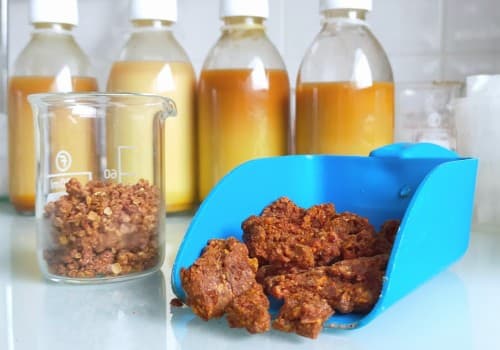
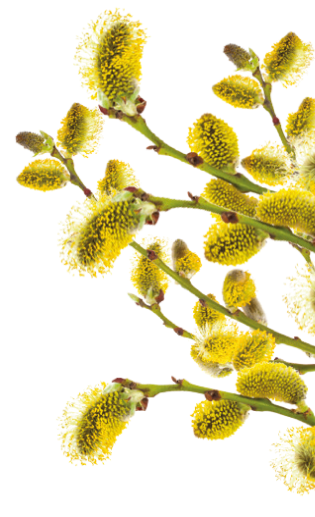
Brown poplar propolis
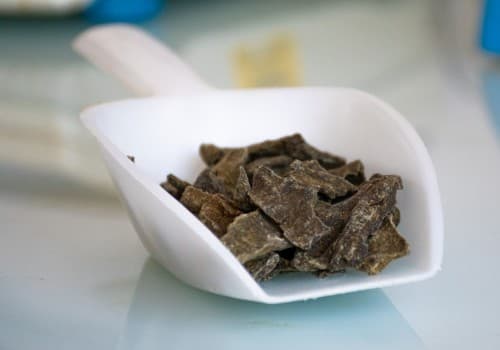
Baccharis green propolis
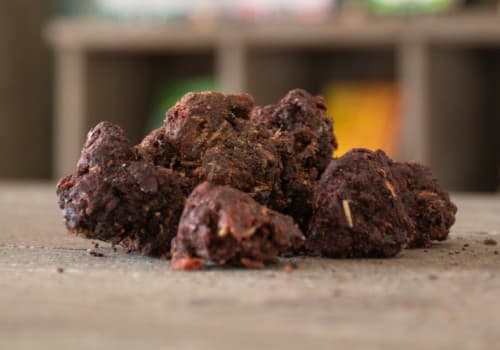
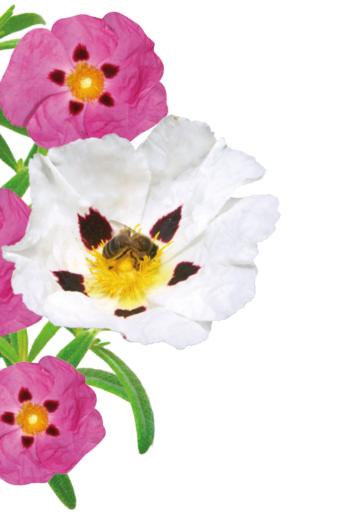
Dalbergia red propolis
3. Guaranteed Polyphenols
On the label, check that the product has a standardized content of active ingredients (polyphenols). A propolis dosed at 25% or 30% polyphenols is magic! Unfortunately, the law does not require this to be indicated on the label. Also make sure to verify the guarantee of the absence of heavy metals and pesticides. Beware of brands that do not state this!
Pharmacological Properties of Propolis
Used for therapeutic purposes since antiquity, propolis has been the subject of numerous scientific validations over the last fifty years. Although its chemical composition fluctuates, a consensus has been established around its main pharmacological virtues and its beneficial effects on health.
Antimicrobial Activity
The bactericidal action of propolis and its components is one of its most documented characteristics. It stands out for its broad spectrum of action, affecting both Gram+ and Gram– bacteria, although its efficacy is significantly higher against Gram+ strains. Propolis inhibits a wide variety of microorganisms responsible for various pathologies:
- ENT and oral sphere: Staphylococcus, Streptococcus, Bacillus.
- Gastrointestinal sphere: Helicobacter pylori, Salmonella, Listeria.
- Genital and urinary spheres: Escherichia coli, Proteus.
Modes of Action (Biological Mechanisms)
Various mechanistic studies suggest that propolis acts on several fronts simultaneously to halt bacterial proliferation.
1. Blockage of cell division: propolis prevents the bacteria from multiplying.
2. Cytoplasmic disorganization: propolis alters the internal structure of the cell.
3. Inhibition of protein synthesis: propolis blocks the production of proteins essential for the bacteria's survival.
4. Inhibition of adhesion: propolis prevents bacteria from attaching to host tissues.
One of the most promising aspects of this research involves the interaction of propolis with conventional treatments. Studies show that propolis remains effective against certain bacterial strains that have developed multi-resistance to classic antibiotics. It also appears to increase the effectiveness of certain antibiotics (such as streptomycin or ampicillin) when administered as a complement, allowing for an enhanced therapeutic action.
Antiviral Activity
Numerous studies highlight the antiviral potential of propolis and its constituents against various pathogens (myxovirus, adenovirus, etc.). More specifically, apigenin and chrysin exert a prophylactic role against influenza by targeting neuraminidase. Regarding HIV, poplar propolis, via caffeic acid phenethyl ester (CAPE), acts as an anti-integrase agent and enhances the efficacy of classic antiretroviral treatments such as AZT. Finally, is its clinical use in the form of a cream conclusive for limiting the duration and frequency of outbreaks of oral or genital herpes.
Antifungal Activity
Propolis is distinguished by its broad spectrum of action against fungal microorganisms. Its effectiveness relies on two pillars:
- Direct action: Propolis possesses proven fungicidal virtues against yeasts and pathogenic genera such as Candida, Aspergillus, and Microsporum.
- Indirect action (immunomodulation): In vitro research shows that propolis works in synergy with the immune system. Specifically, it stimulates macrophage activity, thereby strengthening their ability to eliminate specific fungal strains.
Antioxidant Activity
Propolis is a substance made up of numerous antioxidant compounds: vitamins E and C, as well as polyphenols. There is a direct correlation between the concentration of phenolic compounds and the antioxidant capacity of the product. As a result, poplar propolis, which is richer in polyphenols, possesses a higher antioxidant potential than Brazilian green propolis, for example. In the same vein, it has been proven that the whole resin is more effective than its individual components taken separately (higher ORAC value).
Within the body, propolis acts on two fronts: it slows down the breakdown of fats (lipid peroxidation) in vital organs and stimulates our own enzymatic defenses. Caffeic acid phenethyl ester (CAPE) remains its most potent antioxidant component to date.
Anti-inflammatory Activity
The effectiveness of propolis against both acute and chronic inflammation has been proven in several animal models. It acts in two main ways:
- Action on the immune system: it slows down the activation of molecules such as interleukin 6 (IL-6).
- Enzymatic action: it blocks the activity of several enzymes (cyclooxygenase, lipoxygenase...) that are essential to the inflammatory process.
Caffeic acid phenethyl ester (CAPE) is the most effective component in regulating the transformation of arachidonic acid, thereby preventing the formation of substances responsible for pain and inflammation (leukotrienes and prostaglandins).
Immunomodulatory Activity
Propolis does not just stimulate our defenses; it rebalances them. It makes our immune cells (macrophages and killer cells) more efficient at detecting and destroying intruders or abnormal cells. It also strengthens communication between different white blood cells for more effective antibody production.
Its benefits are particularly visible in managing allergies and respiratory disorders:
Against allergies: by blocking the release of histamine, it calms sneezing and nasal irritation.
Against asthma: a two-month course of treatment helps reduce the frequency and intensity of nighttime attacks while easing breathing, thanks to a direct action on inflammatory molecules.
Other Effects of Propolis
Beyond its traditional virtues, propolis acts as a genuine natural shield:
- Hematological support: propolis exerts a preventive effect against the drop in blood cell counts (neutropenia, anemia, thrombocytopenia) induced by heavy treatments such as chemotherapy or radiotherapy.
- Protection of vital organs: in vitro and in vivo studies confirm its ability to reduce the toxicity of certain chemical agents and pollutants (heavy metals, xenobiotics such as paracetamol) on the liver, heart, kidneys, and neurons.
- Mechanisms of action: its effectiveness is based on its antioxidant properties, which promote DNA repair and strengthen endogenous defenses (notably by maintaining glutathione levels and stimulating protective enzymes).
- Metabolic regulation: research on animal models also indicates an action against insulin resistance. This effect is explained by better regulation of glucose and lipid metabolism, as well as a reduction in inflammation (inhibition of IL-1β and NO synthase).
Which Propolis to Choose According to Your Needs?
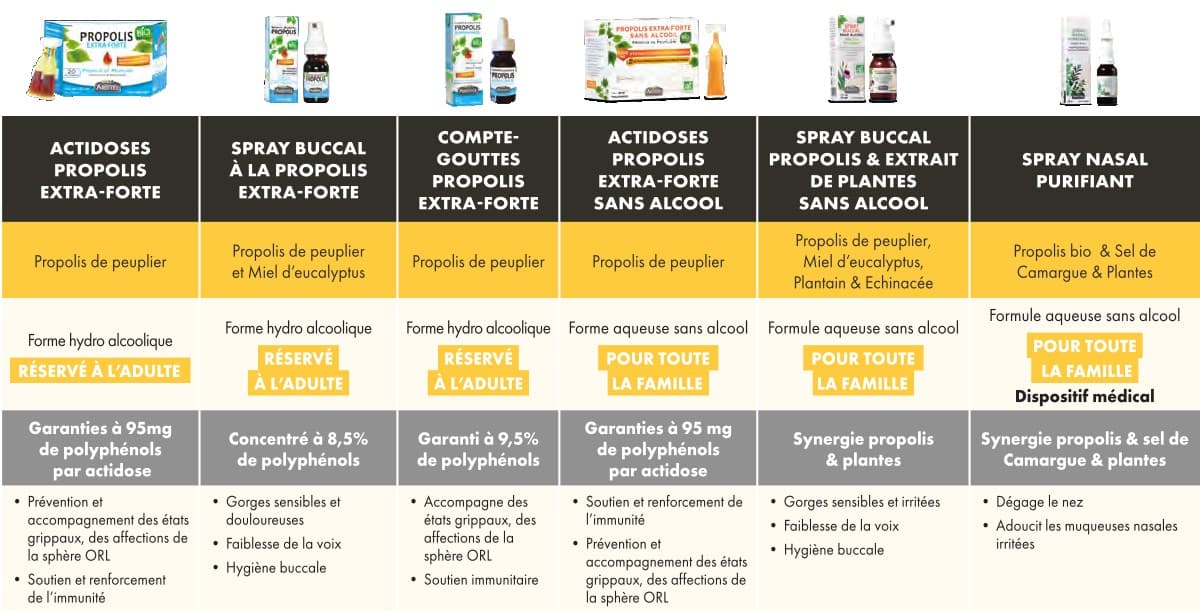
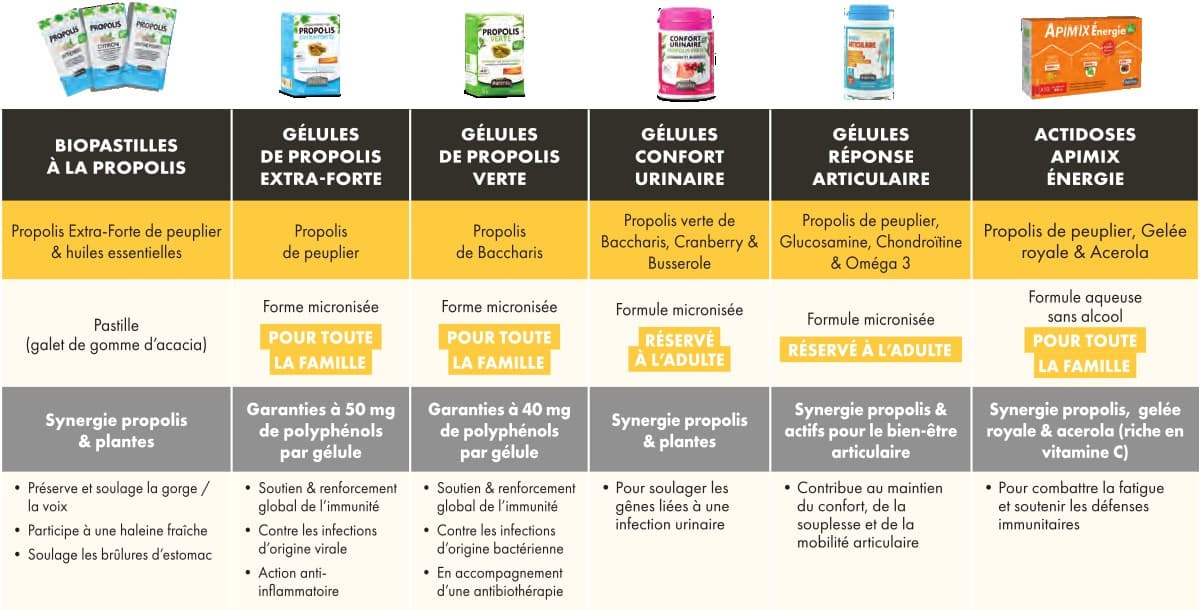
The choice of a specific propolis and its formulation depends on your specific needs, whether it is to strengthen your immunity, treat sore throats, or address particular physiological needs. This is why we have developed a range of propolis based on three specific botanical origins (poplar, baccharis, and dalbergia) available in various galenic forms.