Fermented foods

Our oldest allies in maintaining good health

Fermented foods are undoubtedly humanity’s oldest allies when it comes to health. Here, we’ll explore various superfoods and dietary supplements whose health benefits are directly linked to the fermentation process. Bee pollen, sourdough, fermented papaya, fermented pomegranate, fermented wheat germ… Here’s a brief overview of what fermentation can do for us.

How old are fermented foods?

As a natural process of decomposing organic matter, fermentation does not require human intervention to occur. Therefore, it was not invented, but discovered. Traces dating back to 8,000 BCE attest to its use in Mesopotamia and Egypt, long before Pasteur spotted the first microorganisms through his microscope at the end of the 19th century.

Fermented Foods in Ancient Egypt

Long motivated by the need to preserve food, fermentation is now an interesting alternative for maintaining health and combating certain serious conditions. Bacteria are everywhere, as we know: in the air, on our bodies, inside our bodies, and on the surface of food. For example, the yeasts used for winemaking are found on the skins of grapes, and those in natural sourdough are already on the wheat grain. However, fermentation requires very specific conditions.

Law of Natural Selection

To ferment, the food must be placed in an anaerobic environment, that is, in the absence of oxygen. Oxygen carries bacteria. When there is no oxygen, the bacteria are stressed and struggle to survive. Trapped, they draw on the limited energy reserves available to them. By feeding on the sugars in their host food, the bacteria gain energy and multiply.

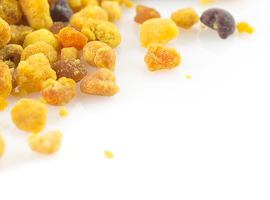
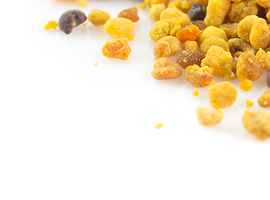
Fresh pollen, a fermented food

The group of microorganisms that develop at this stage is called “probiotics.” As they do so, the bacteria release alcohol or lactic acid—highly acidic substances designed to kill pathogens that might emerge during decomposition.

In other words, during this process of material decomposition, competition among the bacteria favors the beneficial ones. The substances produced are accompanied by a surge in vitamins, minerals, and trace elements. By colonizing the food, the microorganisms alter its texture, taste, and nutritional value. It also becomes easier to preserve over time. Fermentation has, in fact, saved humanity from numerous famines and epidemics. For more and more people, it now represents a way to combine health, the fight against food waste, and food self-sufficiency.

An enzyme factory

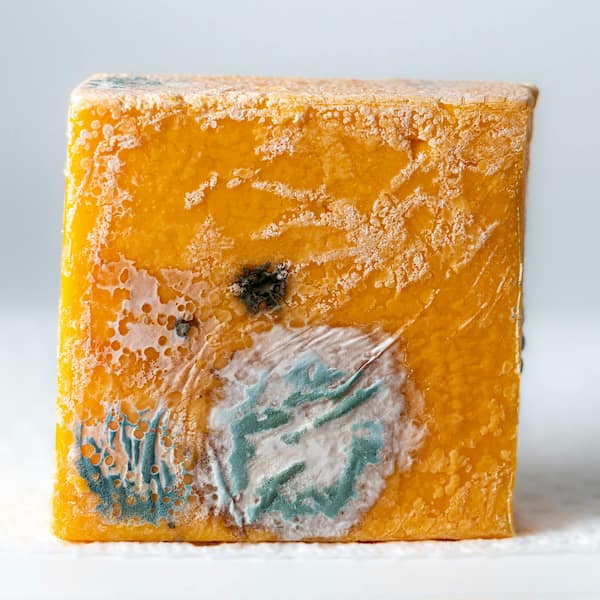
We don't always realize it, but many of the foods in our daily diet are fermented. In fact, virtually all foods can be fermented: vegetables, meat, fish, dairy products, and grains. Lactic fermentation is caused by bacteria and produces lactic acid. This is the case with yogurt, cheese, sauerkraut, sausage, herring, and anchovies. Blue cheese and Roquefort, on the other hand, are created by mold, as is soy, which has been fermented in Asia for thousands of years.

As the expert Marie-Claire Frederic explains in detail here, various types of fermentation exist. Alcoholic fermentation, the basis of all alcoholic beverages, is driven by yeast, larger microorganisms belonging to the fungus family. Acetic fermentation follows and transforms wine into vinegar.

Three-quarters of the body’s immune cells are found in the gut, a vital organ for our immune system. The weaker a person’s digestive system and gut microbiota, the more necessary food fermentation becomes.

Lactic acid fermentation increases the digestibility of food and restores the gut flora. It releases enzymes whose function is to break down large molecules into smaller ones that are easier for the body to process. Food is pre-digested, sparing the digestive system—particularly the pancreas—from heavy work.

Lactic fermentation of foods

Fermented foods are therefore particularly beneficial for people with digestive issues or sensitive intestines. They also help us as we age: it is well known that digestion slows down and becomes less efficient after a certain age due to a decrease in hydrochloric acid production in the stomach. Fermented foods help prevent constipation and are also excellent antiseptics against intestinal parasites. Fermentation increases the bioavailability of minerals such as manganese, calcium, and potassium and, contrary to popular belief, does not acidify the body.

Fresh pollen, a naturally fermented product

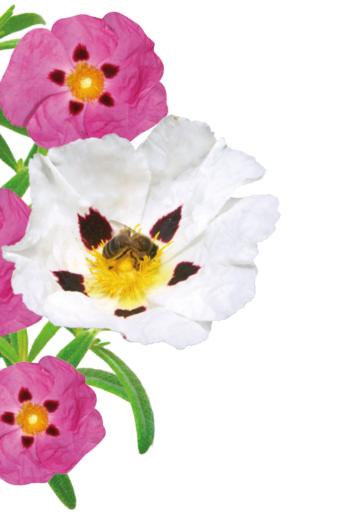
Lactic acid bacteria are naturally present in the honeybee’s crop. Bees regurgitate them to sterilize the hive, where the freshly harvested pollen is stored at a constant temperature of 35°C, which is ideal for these microbes. These specific lactic acid bacteria are very powerful probiotics, and fresh pollen contains benefits that are beneficial to human health. This contrasts with dried pollen, which is the most commonly sold form. Unfortunately, the drying process reduces the volume of lactic acid bacteria and causes the product to lose its beneficial properties.

Abeille récolte pollen

Fresh pollen that is quickly frozen (a specialty of certain brands) is thus much more nutritionally beneficial. This is referred to as lactofermented or “lactofermenting” pollen, as freezing preserves the product’s living properties. When taken as a seasonal treatment, the lactic acid bacteria in fresh pollen strengthen the immune system. Studies have also demonstrated its effectiveness in preventing prostate enlargement and prostate cancer, along with an increase in urinary flow.

Titre pour introduire les produits
Fleurs de pollen Fleurs de pollen
Loading...
Back to top