Extra-strength alcohol-free propolis single-dose (Organic)

Certified organic
Price: €25.00

card_membership By buying this product you can collect up to 25 loyalty points. Your cart will total 25 points that can be converted into a voucher of €1.25.

Directions for use

For anyone looking to boost their natural defenses, poplar propolis combines adaptogenic properties that help regulate the immune response with local action against ear, nose, and throat conditions. Box of 20 capsules.

Read more
Practical informations :
  • Free delivery from €65 in France
  • In stock (1392)
  • At home on monday 5 october 2026
    info
  • Help and advises 05 53 68 11 11
  • 20 years old french manufacturer
Description
Description

The innovative and natural solution for strengthened immunity

Thanks to an innovative patented process, the result of extensive research, Pollenergie guarantees a water-soluble solution of concentrated poplar propolis extract, standardized to polyphenols and alcohol-free. It is packaged in 2.75 ml "actidoses," each guaranteeing an intake of 95 mg of polyphenols, providing an adequate supply to increase the body's resistance. It is particularly suitable for pregnant and breastfeeding women, children from age 3, and people who cannot consume alcohol.


Specific properties of extra-strength alcohol-free propolis

Immune defenses

The secret of our extra-strength propolis lies in its unique richness in polyphenols—molecules produced by plants that act as natural antioxidants and are of growing interest for disease prevention. They play a protective role and have demonstrated immunomodulatory (stimulating or moderating immune system reactions), antimicrobial (killing or slowing the growth of microbes), antiviral, antifungal (treating infections caused by microscopic fungi), and antioxidant activities, helping the body cope with external aggressions and providing support during intensive medical treatments.

ENT protection

Propolis is used to protect the rhinolaryngeal area. It coats the mucous membranes with an active protective and antibacterial film to quickly soothe irritation.

Ingredients
Ingredients

Water, organic poplar propolis concentrated extract (organic poplar alcoholic extract, water, emulsifier: organic gum arabic), organic acacia honey. Free from dyes and preservatives. Store at room temperature.

Packaging

Box of 20 actidoses of 2.75 ml. Net volume 55 ml.

Sleeve, stand, and actidoses 100% recyclable


Quality criteria of our propolis

1. The harvesting method

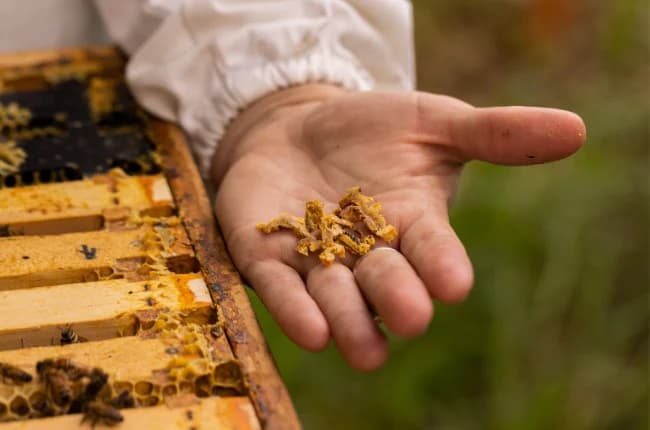
In Europe, there are two practices: scraped propolis and mesh propolis. Beekeepers collect propolis either by scraping the hive frames or by the so-called "mesh" method. The latter consists of placing meshes above the hive frames in the spring and removing them in September. This method yields fresh propolis, rich in active ingredients, non-oxidized, and containing very little waste.

Scraped propolis comes from scraping the frames and contains hive treatment products, wax, and other toxic substances. Unfortunately, it is marketed by various brands. Even in an organic hive, there are many pollutants in this propolis, and it is even worse if the hive is old. This propolis is only fit to be thrown away. Is this stated on the packaging? No, of course not. Those who use scraped propolis do not brag about it!

All our propolis products are systematically analyzed to guarantee our customers a product free of heavy metals, including those that do not have organic certification.


2. Botanical origin

The botanical origin is what makes propolis unique. There are several types of propolis depending on the plants present in the hive's geographical area, the availability of plants during the season, and the bee species. This is why we speak of green propolis when it comes from Baccharis, red propolis for Dalbergia, and brown or black propolis when it comes from poplar. Each botanical origin produces specific organic compounds involved in its defense mechanism. Therefore, propolis has a unique chemical composition, characterized by a variable polyphenol profile.

3. Guaranteed polyphenols

On the label, check that the product has a standardized active ingredient content (polyphenols). Propolis containing 25% or 30% polyphenols is magical! Unfortunately, the law does not require this to be stated on the label. Also, carefully check for a guarantee of the absence of heavy metals and pesticides. Beware of brands that do not state this!

Directions for use
Directions for use

For prevention

1 scoop per day for 20 days, repeat if necessary. Observe a 10-day break between two 20-day courses.


For support

Up to 4 scoops per day in case of contamination from the first symptoms.

Shake well before use. Take the actidose at the end of meals, pure or diluted in a cold drink. Store at room temperature.


Food supplement not recommended for people allergic to bee products. Suitable for pregnant and breastfeeding women, children from 3 years old, and people who cannot consume alcohol.

Seasonal allergies
Seasonal allergies

Not All Pollens Are Created Equal When It Comes to Allergies

Fortunately, not all pollens make you sneeze! To assess their allergenic potential, several factors are taken into account:

  • the nature of the protein particles they release
  • the size of the pollen grain, which will penetrate further into the respiratory tract the smaller and lighter it is
  • the amount of pollen in the air.

The species most frequently responsible for allergies are those with anemophilous pollen, meaning it is transported from one plant to another by the wind. Highly allergenic pollens notably include birch, cypress, and ragweed.

On the other hand, those carried by insects, known as entomophilous pollens, are large, sticky, and cling to the insects' hairs thanks to their rough texture. Filled with energy-giving substances, they contain 20% protein, 25 to 50% sugars, vitamins, antioxidants, fiber, and minerals.

Structure of a pollen grain

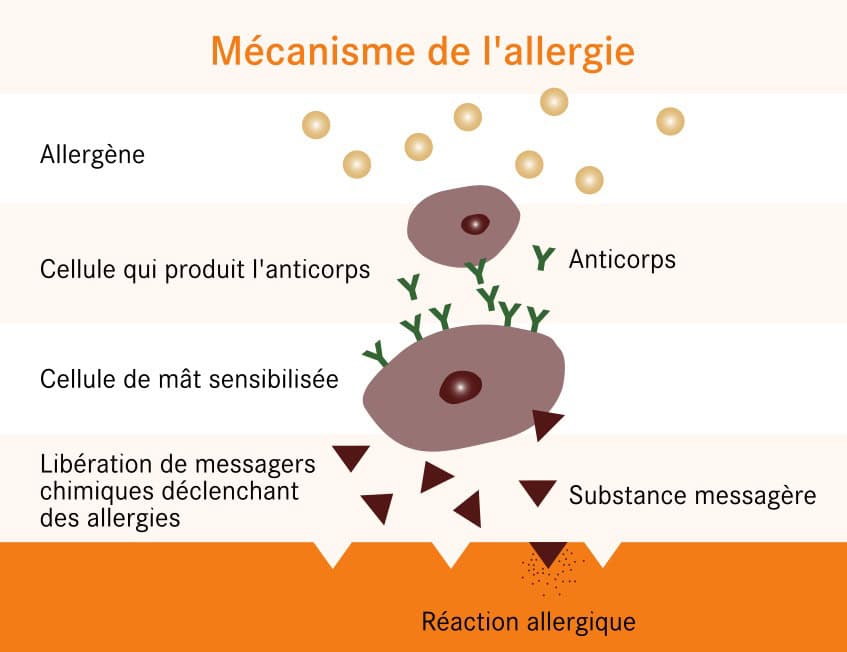
By regularly entering the body and coming into contact with respiratory mucous membranes that are increasingly weakened by atmospheric pollution (ozone, fine particles), anemophilous (wind-borne) pollens trigger a hostile reaction from our immune system. This reaction can be excessive. It then generates a significant release of pro-inflammatory histamines, causing rhinitis, hay fever, and even allergic asthma.

These seasonal allergies continue to claim victims. There are now 4 times more cases than thirty years ago, accounting for practically 20% of the population! They have debilitating repercussions on daily life: disrupted sleep and physical activity, intense fatigue, and decreased academic or professional performance. The impact on quality of life is a key marker of their severity.

The Mechanism of Pollen Allergy

Protecting Yourself from Allergies Thanks to Bee Pollen!

To limit the impact of these allergic episodes, it is important to anticipate and work on your body's terrain with fresh frozen pollens!

Bee pollens preserved in their fresh state have many benefits. Their B-group vitamins, particularly B3 (niacin) and B2 (riboflavin), contribute to the normal functioning of mucous membranes. The vitamins in pollen also help fight against oxidative stress in cells, as do their vitamins C and E. This latter action is reinforced by trace elements. Indeed, pollens are naturally rich in zinc and manganese, and contain copper and selenium—all nutrients that also contribute to the normal functioning of the immune system.

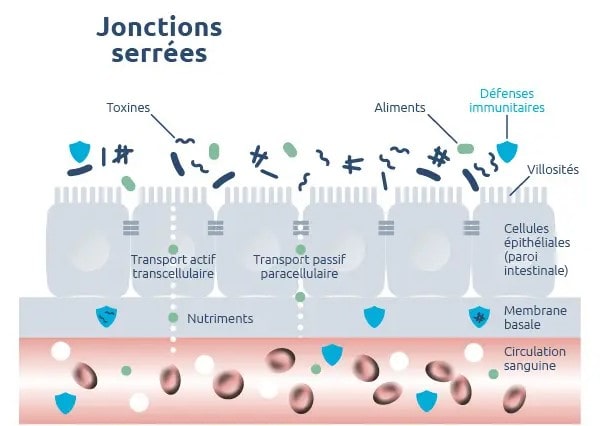
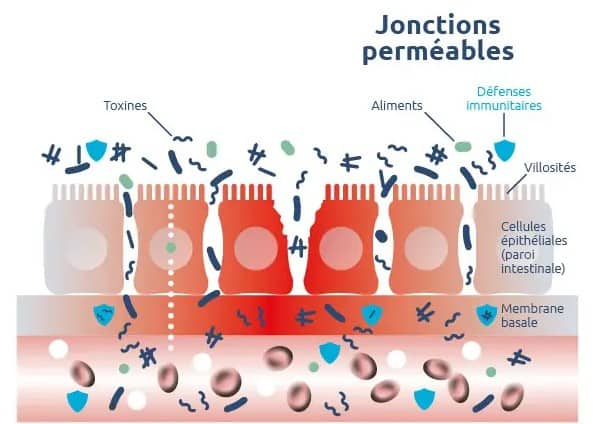
tight junctions in the cells of the intestinal epithelium

Imbalances in the intestinal microbiota (dysbiosis) have been linked to the dysfunctions associated with allergies. This strong relationship between gut flora and allergies suggests thata specific intake of probiotics could help prevent allergies. The lactic ferments in fresh pollen thus contribute to increasing the barrier effect and stimulate the secretion of mucus in the intestine, which concentrates 70% of the immune system's effectors.

This combined set of effects limits the entry of elements capable of reacting with the immune system, complementing the immunomodulatory action of the pollen's polyphenols. Among our pollens, cistus pollen features the highest amount of lactic ferments with a "probiotic" action.

Permeable joints

Fresh cistus pollen also helps strengthen the intestinal mucosa to fight against intestinal permeability (leaky gut). If the tight junctions of the intestinal epithelial cells loosen, they allow large, undesirable molecules to pass into the body, risking numerous disorders: immune deregulation, osteoarticular problems, inflammation, allergies... By providing vitamin E and carotenoids, cistus pollen helps strengthen these junctions, promoting a competent selective barrier. Furthermore, the gum rockrose flower (Cistus ladanifer), which blooms in May-June, is particularly polliniferous. It provides a highly monofloral, very homogeneous pollen, guaranteeing the absence of contaminating pollens such as grass pollen, for example.

Cistus pollen is the only product that revitalizes both the intestinal mucosa and flora thanks to a synergy between a complex microbial system and a set of antioxidant micronutrients. The whole process works because the microflora of the frozen pollen and its micronutrients are "living" and preserved thanks to our patented process.

Bee pollen preservation method

Propolis possesses important anti-inflammatory properties, some of which can even rival cortisone. This resin is also a fantastic antioxidant, the most powerful among beehive products. Certain publications thus report that propolis increases the activity of enzymes that fight oxidation while reducing oxidative stress molecules, symptoms, and inflammation.

Propolis against allergies

Thanks to its polyphenols, propolis can prevent the action of certain mediators and the activation of key allergy cells. Consuming it before the allergy season strengthens the system of people sensitive to pollen pollution, making it more resistant to pollen aggressions. Its anti-inflammatory and antioxidant properties can also help to better withstand symptoms during the allergy season.

"Literature shows that propolis is capable of blocking the action of certain mediators and the activation of key allergy cells through its polyphenols. When consumed ahead of the allergy season, propolis strengthens the system of the allergy sufferer or the person sensitive to pollen pollution, making them more resilient against pollen aggression. And if the pollen and allergy season is already underway, propolis also helps to make you feel better when you're under the weather! It strengthens the body and helps to better fight symptoms by exerting its anti-inflammatory, antioxidant, and immunomodulatory properties." Extract from the article Hay Fever and Propolis published in the Revue Abeilles & Fleurs n°774

Pollenergie offers propolis with a high concentration of active ingredients, thanks to manufacturing processes that ensure an exceptionally high antioxidant content. According to numerous studies, poplar propolis (also known as “extra-strong”) is the most suitable for periods of seasonal sensitivity due to its anti-inflammatory properties.

Our Advice for Countering Seasonal Allergies

The ideal approach is to start a preventive course 3 weeks before the peak period and to continue taking it throughout the entire critical period:

  • 1 tablespoon of cistus pollen every day during breakfast, to be mixed into a fruit salad, honey, or applesauce for better absorption.
  • 2 capsules of extra-strong propolis per day as a preventive measure, up to 4 capsules during the peak period. Also, remember to top up on vitamin C and quercetin!
  • or 1 single-dose unit of extra-strong poplar propolis (with or without alcohol) per day for prevention, and up to 2 single-dose units or ampoules per day during the critical period.
  • Supplement if needed with 2 to 3 sprays of propolis spray to quickly soothe sore throats at the first signs of irritation.

Anti-Hay Fever Apigourmet Recipe

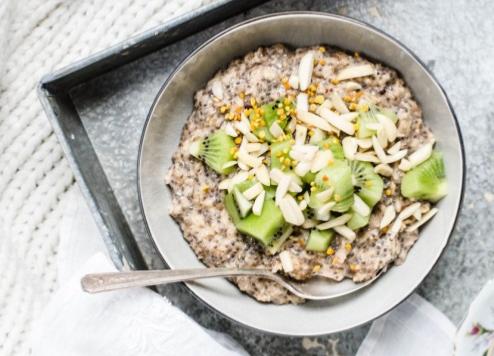
Chia seed pudding with apple, kiwi, and fresh frozen cistus pollen!

Ingredients

  • 40 g of chia seeds
  • 15 cl of plant-based milk
  • 1 tablespoon of rosemary honey (an excellent cholagogue and choleretic)
  • 1 kiwi
  • 1 apple
  • 1 tablespoon of cistus pollen

Recette anti-rhume des foins

Recipe

1. Pour the milk into a bowl. Add the honey, then the chia seeds and stir well. Let it rest in the refrigerator overnight.

2. Cut slices of kiwi and apple. Place the slices vertically against the walls of a glass, alternating layers with the chia pudding.

3. Sprinkle with cistus pollen and enjoy!

Sources:

  • Plantes & Santé magazine, issues 145 and 221
  • Rebelle Santé magazine, No. 153
  • Santé Corps Esprit magazine, No. 34
  • Les trésors de la Ruche by Nathalie Cousin
  • Abeilles & Fleurs magazine, issues 774 and 792
Customer reviews
Customer reviews
Video
Data sheet
Data sheet
  • Product Type
    Propolis
  • Type of propolis
    Brown propolis
  • My needs
    Natural defenses
    Seasonal allergies
    Antioxidants
    ENT sphere
    Pregnant women and breastfeeding
    Children and adolescents
    Sport
    Pets
  • Label
    Certifié bio
  • Format
    Single-dose

You might also like

Loading...
Back to top