A formula specially developed to relieve digestive discomfort. Ideal for regaining a... [Read...]
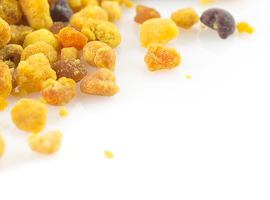
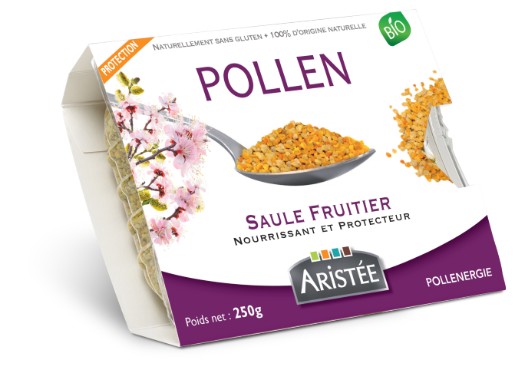
Fresh willow and fruit tree bee pollen (Organic)
Recommended for people over 50. Consuming this organic bee pollen, which is particularly rich in lutein and zeaxanthin, helps protect the retina and lens from age-related eye changes. 250-g package; store in the freezer upon receipt.
Read more- Free delivery from €65 in France
- In stock (242)
-
At home on monday 5 october 2026info
- Help and advises 05 53 68 11 11
- 20 years old french manufacturer
Balls for eye protection
Throughout the year, a tablespoon of organic fruit willow pollen preserved in its fresh state helps nourish our macula. The specific carotenoids present in this pollen help prevent the harmful effects of aging on the eye and retina.
Specific properties of fruit willow pollen
Visual prevention
Fruit willow pollen harvested by bees contains lutein and zeaxanthin, which are the main components of the macular pigment. A diet rich in these two carotenoids helps prevent aging of the eye and retina. Naturally rich in vitamin C and vitamin E, fruit willow pollen also contributes to protecting cells against oxidative stress.
Nutritional deficiencies
Due to its high nutritional value, both in terms of micronutrients (vitamines and minerals) and macronutrients (plant proteins), organic fruit willow pollen is particularly suitable for seniors and for limiting the effects of an overly refined modern diet.
Organic willow pollen (Salix sp.), organic fruit tree pollen (Prunus/Pyrus sp.). Traces of other pollen from the surrounding flora. No artificial colors or preservatives. Willow pollen grains are harvested very early between February and March. Mild, delicate, and slightly fruity flavor with pronounced bitter notes on the finish. Melt-in-the-mouth texture. Multicolored.
Packaging
250 g tray under protective atmosphere. Origin: European Union. Store in the freezer between -15° and -18° C upon receipt.
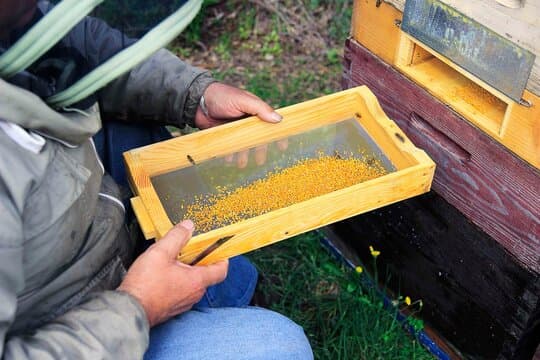
Fresh bee pollen is a raw, living, highly complete and complex food that degrades very quickly in the air and at room temperature. Pollenergie packages its pollens using a patented process, combining a controlled atmosphere with freezing, allowing them to travel for 7 days at room temperature without any alteration. Once delivered, the pollen can be safely refrozen to guarantee its full nutritional potential.
Can bee pollen be consumed after the expiration date?
Even if the deadline has passed, don't throw away your pollen! It can be safely consumed if it has been kept in the freezer without interruption—even for a whole year! Also, make sure not to leave your tray open to the air for more than 72 hours. If you have any doubts, give the pollen to your plants: mixed with potting soil or compost, it makes an excellent fertilizer!
BBD vs. Use-By Date: The date indicated on our pollens and other products is a Best-Before Date (BBD). It is indicative: after this period, the product presents no health hazard, but may lose flavor or nutritional effectiveness.
Storing fresh bee pollen
As soon as you receive it, place your pollen tray in the freezer to preserve all its nutritional qualities. It is not necessary to defrost the pollen before tasting it. Thanks to its low water content, the pollen remains melt-in-the-mouth and easy to scoop, even when frozen. You can therefore consume it directly out of the freezer.
How to take bee pollen?
Contrary to popular belief, pollen is not more effective on an empty stomach. The ideal way is to consume it during a light meal to help your body better absorb its entire cocktail of nutrients and probiotics. For daily use, one tablespoon is generally sufficient. However, this dosage may vary according to different profiles:
- Adults: 1 tablespoon (12 to 15 g) per day. This dose can be doubled for athletes or during an intensive 3-week course.
- Vegetarians & food lovers: up to 4 tablespoons per day without risk of overdose, as pollen is a natural and non-toxic food.
- Children (up to 12 years old): 1 teaspoon per day. If they ask for more, the child's appetite remains the best indicator of their needs.
- Sensitive intestines: start with 1 teaspoon per day for a week to avoid the transit-accelerating effect due to fiber, then increase gradually.
Instinct is a good advisor, and wanting to eat more simply means that we need it.
Can bee pollen be taken continuously?
It is often forgotten, but the pollen collected by bees is a food. There is no risk of toxicity in taking it daily—quite the contrary! Pollen consumption is even recommended for people who wish to naturally support chronic health problems or prevent disorders linked to the body's aging. However, its nutritional richness can sometimes saturate the system; a temporary interruption of the course is then recommended to better resume afterwards.
Errors to avoid
Consuming bee pollen on an empty stomach
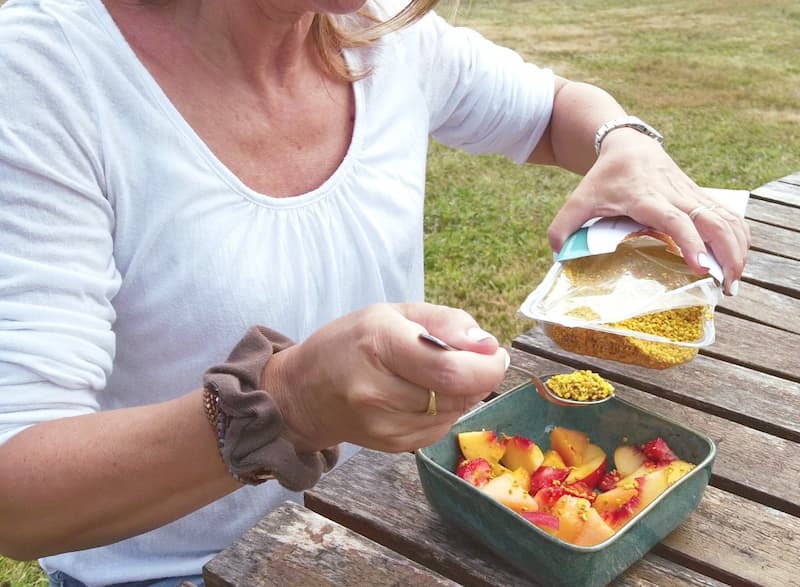
To better enjoy their benefits without discomfort, it is important to consume Aristée pollens preferably during breakfast (or during a light meal / snack) with fresh fruit or compote. Their richness in enzymes and lacto-ferments can indeed cause bloating, flatulence... And they will also be less well assimilated!
Mixing bee pollen with hot food
To preserve the precious lacto-ferments of fresh pollen, never mix it directly with hot food or drinks. Thermal immersion destroys its enzymes. You can, however, consume a hot drink alongside it: the heat dissipates quickly in the stomach, protecting its nutritional qualities. The important thing: do not mix them before ingestion.
Switching bee pollens from one day to the next
To make the most of the benefits of a floral origin, it is important to follow a consistent course for at least 3 weeks. This allows the body to better absorb its richness for better results on vitality, protection, and well-being. You can then choose another floral origin for the following 3 weeks.
Two Main Causes of Visual Impairment
Age-Related Macular Degeneration (AMD)
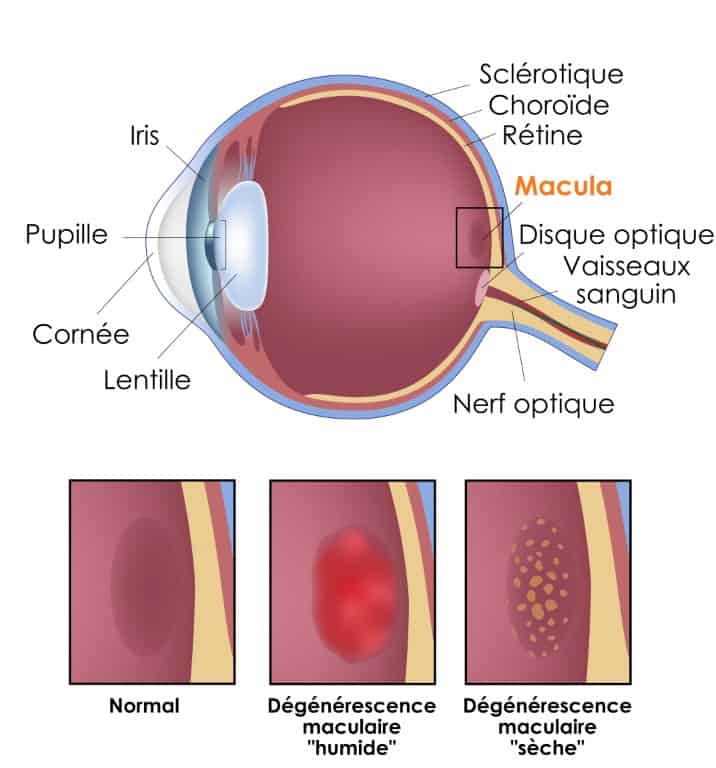
Also known as white spot disease, age-related macular degeneration (AMD) is a degeneration of the central region of the retina. It causes great fear because it ultimately leads to irreversible blindness. Defined by the World Health Organization as a chronic and progressive illness, AMD is a health issue that requires management over several years. It is linked to several factors, particularly diet. The first signs of the disease are usually subtle and can be overlooked because a decline in vision in an aging person is often attributed to natural aging. To ensure that AMD is treated in time, here are a few potentially indicative signs:
- Decreased contrast sensitivity
- Appearance of a dark central spot
- Distortion of straight lines
- Decreased visual acuity
Ten-second AMD screening test
Close one eye and look at a printed text or a sheet of lined paper. If, when you switch eyes, the lines appear distorted, go see your ophthalmologist quickly.
The progression of AMD begins in a very insidious manner. The macula (the central part of the retina), normally colored yellow by lutein and zeaxanthin, first starts to depigment. It becomes sensitive to light, and particularly to the wavelength that produces blue light. The cells of the retina, cones and rods, begin to die. They detach from the retina and form what ophthalmologists call drusen.
These cell clusters disrupt the functioning of the underlying cells that are still alive. In the natural progression of AMD, these drusen will only disappear when no more retinal cells die to join them. Generally, this occurs when the retina has irreversibly lost all the cells of the macula. The subject can then no longer read, recognize people, or drive.
Peripheral vision is never affected and can, after rehabilitation, restore a slight degree of visual comfort.
Cataracts
This is the leading cause of blindness in the world. It is caused by an opacity or damage to the lens. In France, 200,000 people undergo surgery each year and regain good vision. 5% of cases experience infectious, inflammatory, or hemorrhagic complications. Before the operation, individuals suffer from a disabling decrease in vision. The surgery is never very pleasant, even less so as the person gets older.
Lutein and zeaxanthin are two essential nutrients to ensure the protection of the retina and the lens. They protect the macula (also called the yellow spot), an area of the retina that directly influences the level of visual acuity.
Oxidative Stress Process
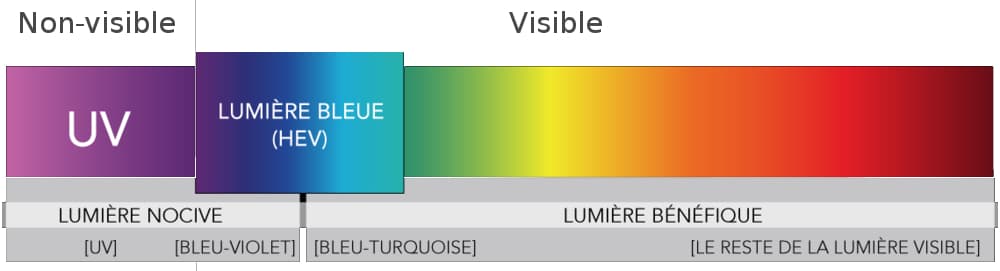
High-energy lights, mainly the blue and ultraviolet parts of the spectrum, are those that most easily trigger the formation of free radicals. Screens, in particular, emit peaks of blue light known as High Energy Visible (HEV) light. Scientific research has concluded that prolonged exposure to artificial HEV light radiation causes photochemical damage to the retina and the lens.

"Several epidemiological studies have demonstrated that this blue light is indeed a risk factor for AMD," recalls Prof. Serge Picaud. The involvement of blue light in the development of cataracts is also suspected. Overexposure to screens (tablets, televisions, computers, smartphones) causes two types of deleterious effects on the retina:
- short-term phototoxic effects related to acute exposure
- long-term effects related to chronic exposure, which increase the risk of developing AMD
Beyond this toxicity which can lead to a decline in vision, evidence also highlights a risk of disrupting biological rhythms and sleep in the event of exposure, even low, to blue light in the evening or at night. The cells of the retina are very rich in polyunsaturated fatty acids. They are highly sensitive to attacks by free radicals, and the strong vascularization of the retina involves a significant supply of oxygen, thus increasing the risk of oxidation.
When large numbers of free radicals damage the retina, micro-scars form locally, and tiny cellular debris accumulates in the macular region. This results in the degeneration of this area, and vitamin A is no longer transported normally. This prevents the regeneration of the photoreceptors responsible for visual acuity (cones and rods). It progressively impairs central vision, which is irreversible and inoperable, while lateral vision remains preserved.
A growing number of studies suggest that the onset of this degeneration could be delayed and even prevented by consuming foods rich in antioxidants.
Pollen Xanthophylls: A Crucial Nutritional Benefit
The eyes are a reflection of our overall health. In fact, pathologies of various organs can be detected by examining the iris and the retina. To combat the aggressions that impair its functioning, the eye relies on yellow carotenoid pigments: xanthophylls.

In pollen, xanthophylls are present in their most natural form possible. They are combined with other antioxidants (vitamin E and zinc) that contribute to eye protection. Pollen also provides unoxidized polyunsaturated fatty acids, which play a role in the vision mechanism of retinal cells. Ocular degenerations are a striking example of the "micronutrient nutritional poverty" of our modern diet. Two in particular are involved here:
- lutein
- zeaxanthin
These two xanthophylls are capable of absorbing harmful light radiation. Lutein and zeaxanthin thus act as filters and are capable, like all carotenoids, of trapping free radicals inside the eye. These natural pigments are notably present in chicken egg yolks, cabbage, spinach, turnips, salads, zucchini, carrots, tomatoes, mangoes, nectarines… And in certain pollens!
In 1994, a study involving nearly a thousand patients showed that those whose diet was richest in carotenoids had a 43% lower risk of suffering from eye disorders, especially when their diet included very green leafy vegetables (cabbage, spinach). Thus, it appears that the onset of eye pathologies can be prevented by including enough carotenoid-rich foods in one's diet.
In our countries, the average consumption of lutein is 1 to 2 mg per day, whereas studies have confirmed that 6 to 10 mg would be preferable.
The benefits of fresh pollen for protection against degenerative eye diseases is a completely new concept. It emerged from a research study undertaken in 1999 by Patrice Percie du Sert on the fatty substances in fresh pollen, in collaboration with the ITERG (Institute of Fats and Oils in Bordeaux).
The daily consumption of 15 g of fresh cistus pollen provides 9.73 mg/day of xanthophylls, which is the dose recommended by numerous studies. This intake rises to 27.75 mg of xanthophylls per day with willowand fruit-willow pollen! In most cases, consuming 15 g of pollen throughout the year (cistus or willow) would be sufficient to provide effective protection against AMD and cataracts. However, for high-risk individuals who, for instance, already have one affected eye or show early warning signs, a daily dose of 30 g of willow pollen proves to be of significant interest. Being overweight is a recognized risk factor for AMD. Fatty tissues tend to absorb the initial intake first, serving themselves before the eyes. In this case, it is recommended to take more pollen and for a longer duration than for a lean person.

Focus on Fruit Willow Pollen
When pollen analyses are performed, prunus pollen is often found in addition to willow pollen, as they bloom at the same time. This mixture is particularly beneficial for the eyes, because prunus contains good doses of lutein. A proportion of 60% willow and 40% prunus is ideal for providing both zeaxanthin and lutein.
Aristée fruit willow pollen can perfectly fit into a comprehensive dietary strategy specifically designed to prevent eye aging and preserve vision. If you are a senior citizen keen on protecting your eye health for as long as possible, be assured of its benefits and adopt this pollen, which contains both lutein and zeaxanthin, at a rate of one tablespoon per day starting at breakfast. For better intestinal absorption of these fat-soluble pigments, it is recommended to combine the intake of fresh pollen with lipids. For example, sprinkle the pollen over a Budwig cream made with flaxseed oil.
Due to its great nutritional richness, both in terms of micronutrients (vitamins and minerals) and macronutrients (plant proteins, etc.), willow or fruit willow pollen is particularly suited to today's diet to remedy the nutritional sub-deficiencies of our overly refined modern food. Pollen supplementation is only truly beneficial if done over a long period. It takes six months to achieve a noticeable improvement in macular pigment density.
Increasing good fats in the diet has multiple health benefits. One of the crucial advantages is the ability of fats to facilitate the absorption of essential nutrients such as vitamins A, E, D, and K, as well as carotenoids. The latter have been identified as powerful brain stimulants, protecting against the aging of the eyes and brain faculties. To better benefit from their virtues during a pollen course, it is important to accompany the intake of pollen with a source of lipids. In a fruit salad, you can therefore add avocado, which is composed of an average of 14% lipids, overwhelmingly made up (nearly 80%) of unsaturated fatty acids with undisputed benefits for cardiovascular health.
Antioxidants as the Second Line of Defense
Vitamins C, E, selenium, and other carotenoids ensure the defense of the eye, whose good state of health declines with age. Their role is to neutralize free radicals, especially during the early stages of aging.
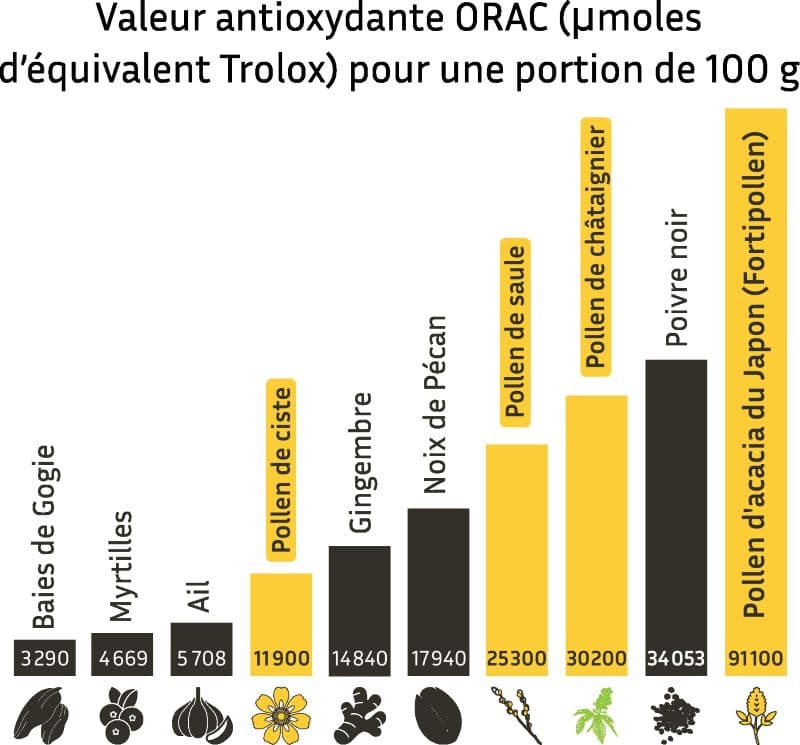
With an ORAC score of 25,300 µmoles per 100 g, willow and fruit willow pollens also constitute real assets for preserving vision thanks to their antioxidant activity. You can also opt for fresh cistus pollen, which is the richest in carotenoids. We recommend alternating this pollen with fruit willow pollen at a rate of one tray out of every 3 or 4.
Other Advice
The best way to protect your eyes is still through prevention. At the beach as well as in the mountains, in summer as well as in winter, wearing sunglasses remains the best option available to you to protect your eyes from the dangers of UV rays.
-
Product TypeFresh pollen
-
My needsDietary rebalancing
Malnutrition and deficiencies
Preserving your eyesight
Memory and concentration
Skin and hair
Antioxidants
Pets -
LabelCertifié bio
Français
English